Where Can I See Tasmanian Devils In The Wild (Not Just In A Zoo) In Australia?
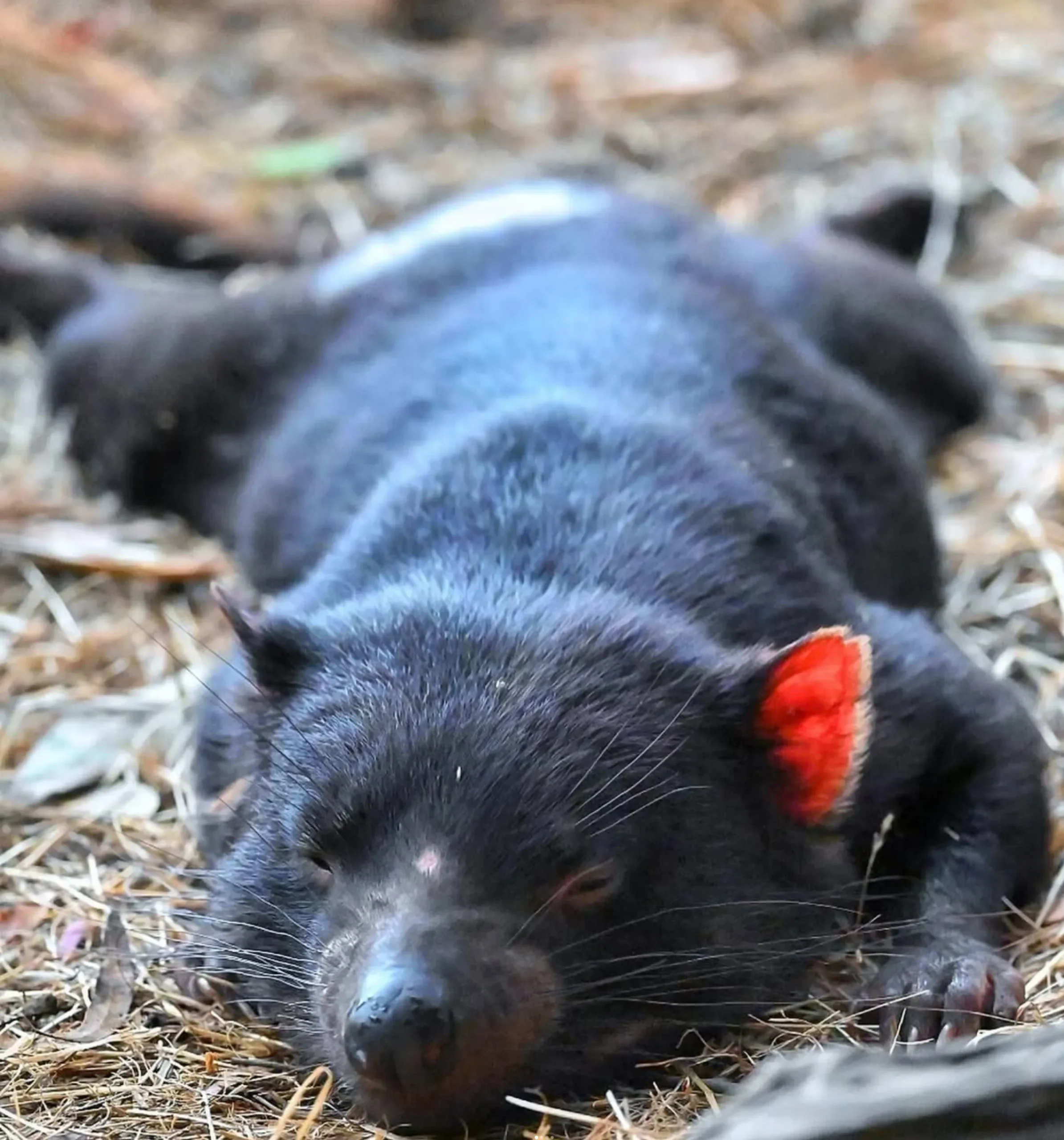
Where can you see Tasmanian devils in the wild (not just a captive zoo display) in Australia? Well, I’ll give it to you straight – the honest answer is Tasmania, and nowhere else that you can really rely on. You might be able to spot small rewilding populations on the mainland – for example, up at Barrington Tops – but those areas are usually closed to the public. If you’re after a genuine wild experience, though, you’re going to have to head south across Bass Strait.
I’m Paul, and I’m not going to sugarcoat it – this isn’t a wildlife experience you can rush through and tick off your list. You won’t just stroll out at sunset, grab a quick glance and be done. Tasmanian devils are nocturnal, very wary, and facing some pretty serious population issues. But if you take your time, get into the right kind of terrain and give it a few days, you might just get a glimpse.
Contents
- 1 Landscapes That Boost Your Chances
- 2 Why Mainland Sightings Are Unlikely Soon
- 3 Timing Matters Most
- 4 How to Spot Devils Without Mistakes
- 5 A Practical Plan that Still Feels Legit
- 6 Why Sightings Are Rare
- 7 A Simple Plan That Works
- 8 Costs You Should Factor In (AUD)
- 9 What Usually Goes Wrong
- 10 Final Thoughts – Is It Worth Chasing
- 11 The Takeaway – Do It Right And Don’t Complicate It
- 12 FAQ
- 12.1 Is Tasmania the only decent spot to catch a glimpse of something wild?
- 12.2 Do certain environments give a better chance than others?
- 12.3 Does Maria Island give you any more of a chance?
- 12.4 Are guided night trips worth it if you don’t have loads of time?
- 12.5 Why are sightings still such a rare thing these days?
Landscapes That Boost Your Chances
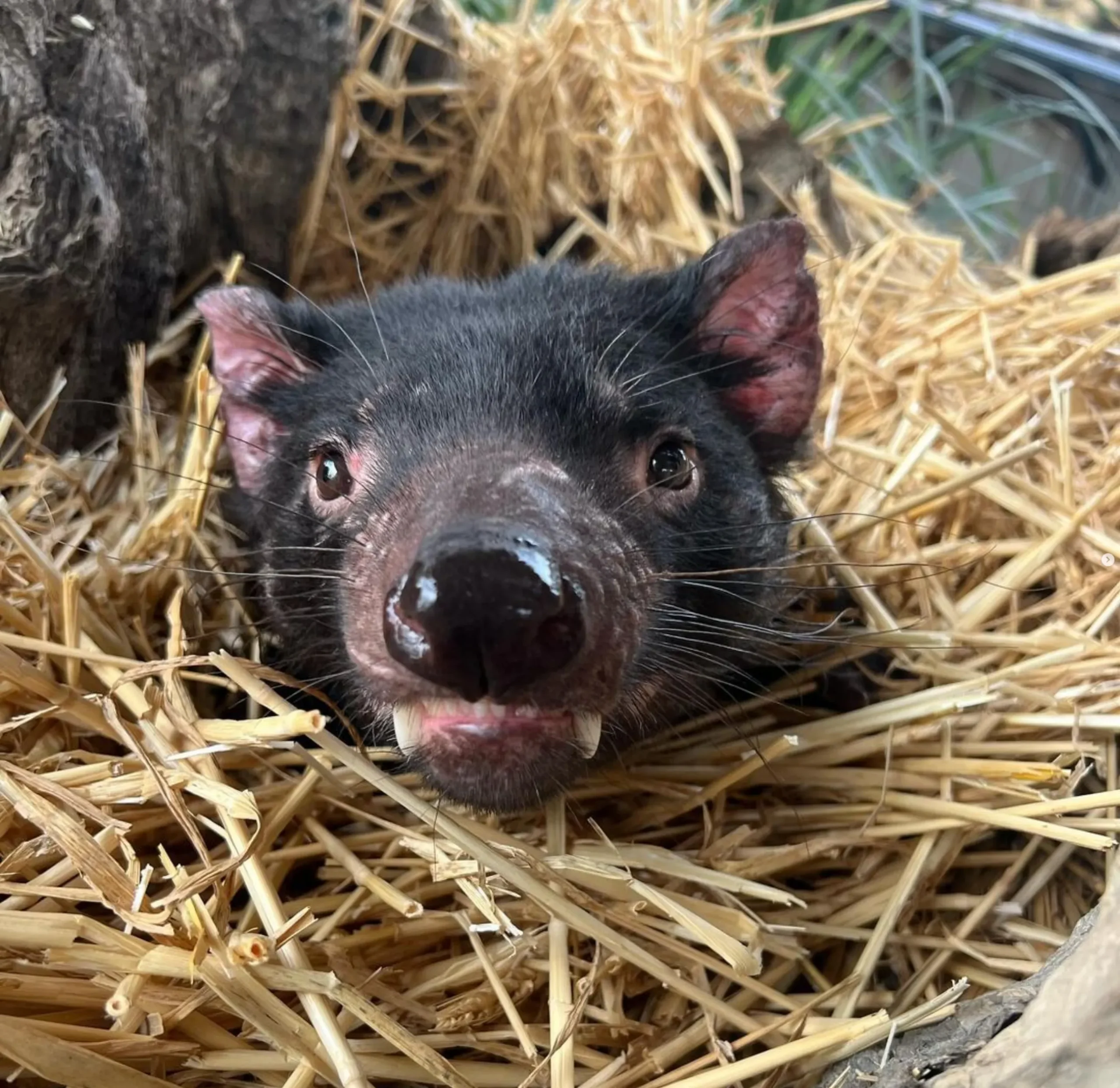
When it comes to spotting devils, it’s all about the habitat – not landmarks or tourist traps. They like specific environments where food is easy to find, and there’s minimal human disturbance.
Cradle Mountain – But Not The Usual Tourist Haunts
Most people visit Cradle Mountain, do a quick loop and then leave. That’s fine – but if you’re after spotting devils, that’s not going to get you anywhere.
The trick is to get away from all the main traffic zones and focus on areas where the mixed type of forest – sclerophyll and rainforest – meets open scrub. These transition zones are like feeding corridors for them. During the day, they hide out in the thick vegetation, but come nightfall, they come out to scavenge.
I’ve spent many a night down there where it felt completely dead – no movement, no sound at all. Then, out of the blue, you hear that unmistakable rough growl echoing through the air, and you just know what you’re listening to.
Maria Island – A bit of a Dark Horse
If you want to stack the odds a bit in your favour, Maria Island is worth a look.
It’s managed as a rewilding environment, but devils are free to roam all over the place – the island has got a pretty sweet mix of coastal heath, woodlands and old farmland clearings. Because there aren’t as many predators and less human interference, devils are often more active here than they are in the heavily forested bits of the mainland in Tasmania.
You’ll also notice a bunch of other cool things, like wombats, and the odd white wallaby (which is actually a pretty rare genetic variation of the usual wallaby crowd), and then there are the little penguins that come back at dusk to hang out in some of the coastal areas. Not pristine wilderness, but it’s still a wild encounter.
Northwest Tasmania – Go a bit further, get a lot More
If you’re prepared to put in the effort and head a bit further afield, Northwest Tasmania may just be the ticket.
The Tarkine region is a real mixed bag – thick sclerophyll forest, some isolated rainforest pockets and a load of coastal stretches. Real bush country – no phone signal, long drives between fuel stops, not a lot of people around.
When I first went camping there, I spent the first night just sitting there waiting for something to happen – nothing. Second night, I got a bit of movement – something heavy crashing through the scrub, and then that unmistakable low growl. I didn’t get a look, but I knew what it was.
Why Mainland Sightings Are Unlikely Soon
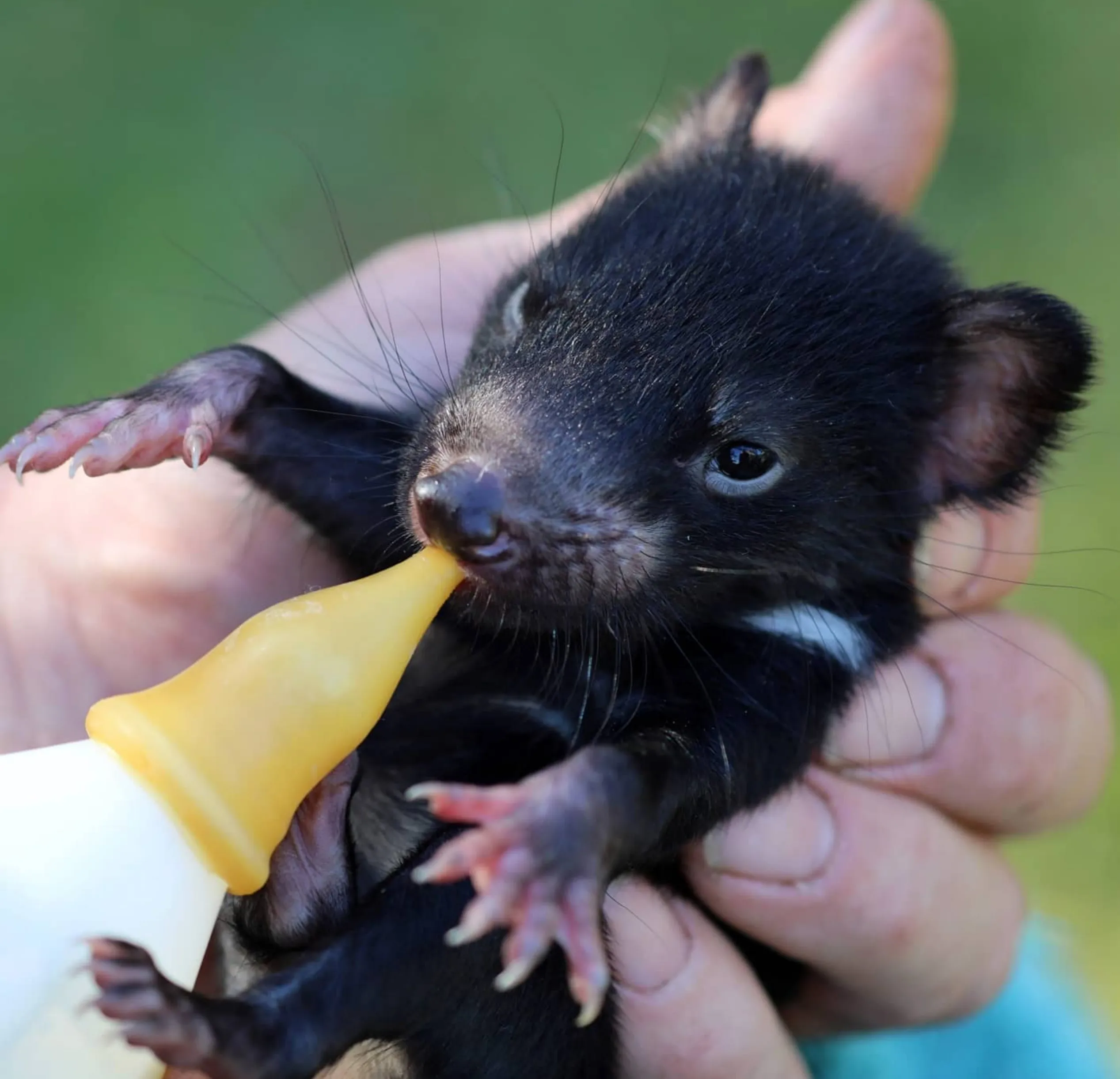
You’ll occasionally come across headlines claiming that Tasmanian devils are making a comeback to mainland Australia. Now they are – but let’s be clear, that’s not good news for Aussie tourists.
Barrington Tops – Where Conservation Efforts Are The Priority
Up in Barrington Tops, they’re working hard to rebuild their population & basically give the devils a fighting chance of survival by strengthening their genetic pool. Now that’s a pretty controlled environment – just ask the folks who drive onto Tomalla Road via the Hunter Expressway – but as for visitors, forget it.
Right now, the priority is getting the population back on its feet. Efforts are underway to address problems caused by population decline, such as inbreeding and devils’ difficulty finding mates. It’s a tough row to hoe.
So yes, they are back – but forget seeing one in person anytime soon.
Timing Matters Most
Even if you find yourself in a great spot, it’s all for nothing if you time it wrong.
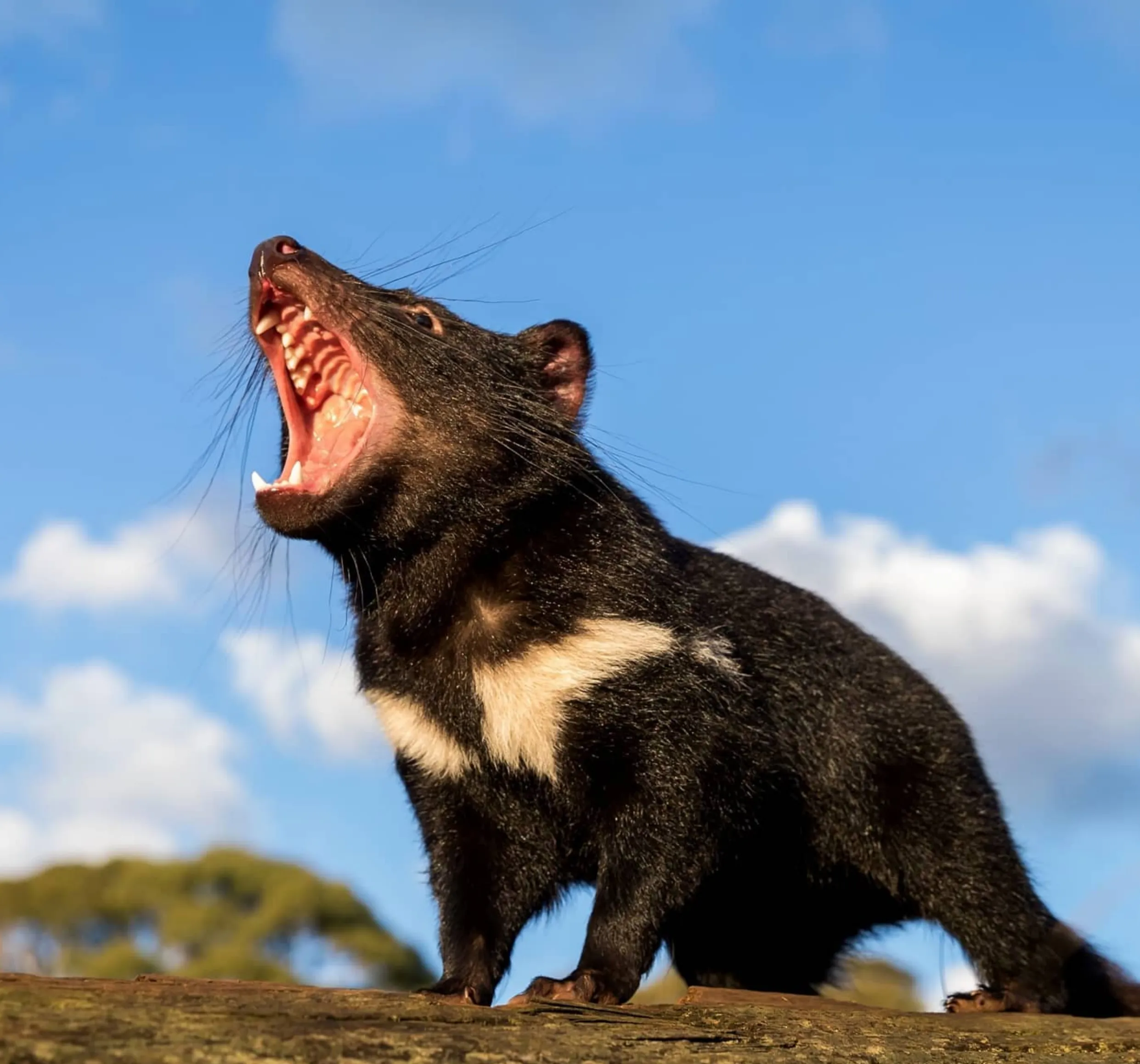
The thing is, Tasmanian devils are total night owls. That makes your window for spotting them pretty small – and it closes well after dark.
Here’s the good news:
- Late evening and early morning
- Guys, the cooler months – Feb to June is a good time to try your luck
- If the rain’s not coming down and the night is dry youve got a better chance
- And if the moon’s not shining bright, your chances improve – because they rely less on sight and more on hearing & smell, so they stay active when it’s dark and quiet
How to Spot Devils Without Mistakes
This is where loads of travellers go wrong – too much commotion, too much light, too much drama. You see the bush turn into a zoo, and the wildlife just melts away.
You don’t need to break the bank on complicated gear – just figure out the best way to go about it.
Move quietly, sit still for a bit, and let the bush just settle around you. If you need a bit of visibility, use a red light torch, but keep it low – you don’t want to spook the critters. And for goodness sake, keep an eye on the wind direction – those devils can sniff you out before they even see you.
If you’re fidgeting with your phone or yapping to other people, you might as well go home.
A Practical Plan that Still Feels Legit
Let’s face it, not everyone can just sit in the dark for three nights, hoping for a glimpse of a devil.
Night Encounters Without Feeling Like You’re in a Zoo
Places like Devil’s Retreat do these awesome night feeding sessions that let you watch devils up close and personal while still treating them with respect.
You’ll get to see:
- How they interact during feeding time
- How do they socialise with each other
- Some of those really cool vocalisations that are super hard to catch in the wild
Some operators – like Wildlife Tours – bundle these experiences with other trips or Australia safari tours that focus on wildlife spotting across the country.
It’s not the real deal, but it’s still a good option if time is tight or you’re down to your last days.
Why Sightings Are Rare
It’s not just about observing their behaviour – it’s about survival. These devils have been hit hard by a nasty disease that’s reduced their numbers by around 80% since the 90s. That affects everything – breeding, territory, their whole future.
Conservation work is all about increasing numbers and protecting their genetic pool, while also dealing with the fallout from declining mating success.
So if you don’t see one right away, it’s not just bad luck – it’s just the harsh reality of a species in trouble.
A Simple Plan That Works
If you’re serious about spotting devils, you need a plan – not just winging it.
Fly into Hobart or Launceston and rent a car. Get yourself up to Cradle Mountain or northwest Tasmania. Spend the first day just scouting around – look for quiet places, not too many tourists, and any signs of wildlife.
On your second night, commit to staying out late and finding a spot near the edge of the bush. If nothing happens, try adjusting your approach the next night – maybe try a quiet drive through the countryside, or just shift to a different spot.
If time’s running short, consider booking a guided night experience to up your chances. Some people do this on longer wildlife-spotting trips or tours, too, especially if they’re crisscrossing the country. Just don’t get your hopes up that you’ll see one straight away – devils are sneaky buggers, and you can never count on it.
Costs You Should Factor In (AUD)
| Item | Typical Cost (AUD) |
| Car hire (per day) | $70–$150 |
| Park entry pass | $30–$60 |
| Camping | $10–$40 |
| Cabin accommodation | $120–$300 |
| Guided night experience | $60–$120 |
What Usually Goes Wrong
Its rarely bad luck – it’s just that people generally get their timing or approach all wrong.
People tend to turn up too early, stick to busy areas, shine bright lights around, or give up before theyve even started. The truth is, wildlife doesn’t have a 9 to 5 schedule, and devils certainly aren’t in the business of putting on a show.
If you don’t adapt your approach, your chances of success won’t improve.
Final Thoughts – Is It Worth Chasing
Its worth it – but only if you’re willing to put in the effort to earn it.
This isn’t a slick, polished experience. It’s slow, quiet and sometimes downright frustrating. But that’s what makes it so real.
When you finally do get a glimpse of that growl or catch a glimpse of something moving just outside of your line of sight, you suddenly understand you’re not watching a show, you’re witnessing something truly wild on its own terms.
That’s the kind of travel that really stays with you.
The Takeaway – Do It Right And Don’t Complicate It
Tasmania is the place to go. Stay up late. Be patient.
Give up on the shortcuts and just show some respect to the animal. And accept that sometimes – sometimes – seeing nothing is just part of the deal.
Because when it finally happens – and it does happen sometimes – it’s not because of luck
It’s because you’ve put in the work.
FAQ
Is Tasmania the only decent spot to catch a glimpse of something wild?
Yes – the mainland populations are there, but they’re not exactly public-friendly.
Do certain environments give a better chance than others?
Yeah, places where dense forest butts up against open ground are particularly active at night.
Does Maria Island give you any more of a chance?
It can, thanks to the fact that they have things under control and there are fewer threats around.
Are guided night trips worth it if you don’t have loads of time?
If you’re short on time, they can give you a decent chance of seeing some natural behaviour while still being worthwhile.
Why are sightings still such a rare thing these days?
The population has taken a hit, and there’s been some disease around, so it’s got a lot harder to spot the things.