Skincare Ingredients That Kill Your Tattoo
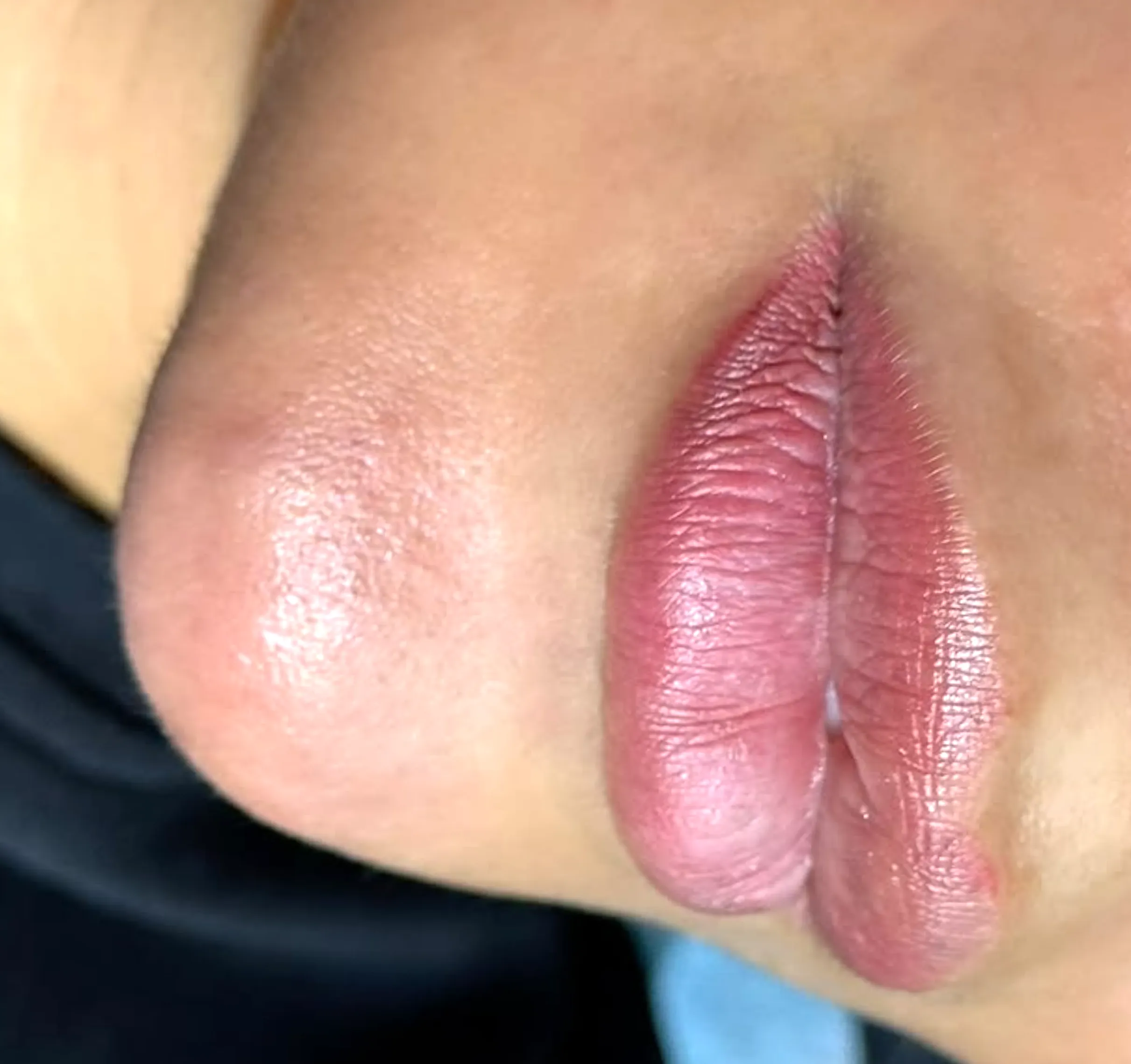
Skincare Ingredients That Kill Your Tattoo – a phrase ill-fated clients wish they never had to learn the hard way. You book in for a Lip Blush tattoo, sit through the appointment, do all the usual post-care stuff – and then, a few months down the line, the lip colour looks all faded and uneven. Not because the work wasn’t up to standard, but because your regular skincare routine has been quietly causing damage. I’m Sophie Grant, a cosmetic tattoo educator, and I’ve witnessed this happen countless times in studios like Cosmetic Tattoo Melbourne Studio – even clients who’ve travelled in from far afield for cosmetic tattooing in Melbourne have fallen victim to it.
Here’s the bottom line: a semi-permanent tattoo on the lips behaves very differently from makeup or traditional tattoos. Using the wrong products doesn’t just fade the pigment away – it disrupts the healing process, disrupts the tone, and shortens the tattoo’s lifespan. This article outlines what causes the damage, what to avoid, and how to protect your results long after the initial appointment.
Contents
- 1 How Lip Blush Pigment Sits in Skin
- 2 What’s Wearing Down Your Tattoo
- 3 When Skin Reactions Start to Cause Real Problems
- 4 How Makeup Affects Your Tattoo
- 5 The Healing Phase – Most Mistakes Are Made Here
- 6 What You Can Do After Healing
- 7 Common Offenders at a Glance
- 8 Why Professional Advice Beats Guesswork
- 9 The Big Picture: Getting Real About Expectations
- 10 Final Takeaway
- 11 FAQ
How Lip Blush Pigment Sits in Skin
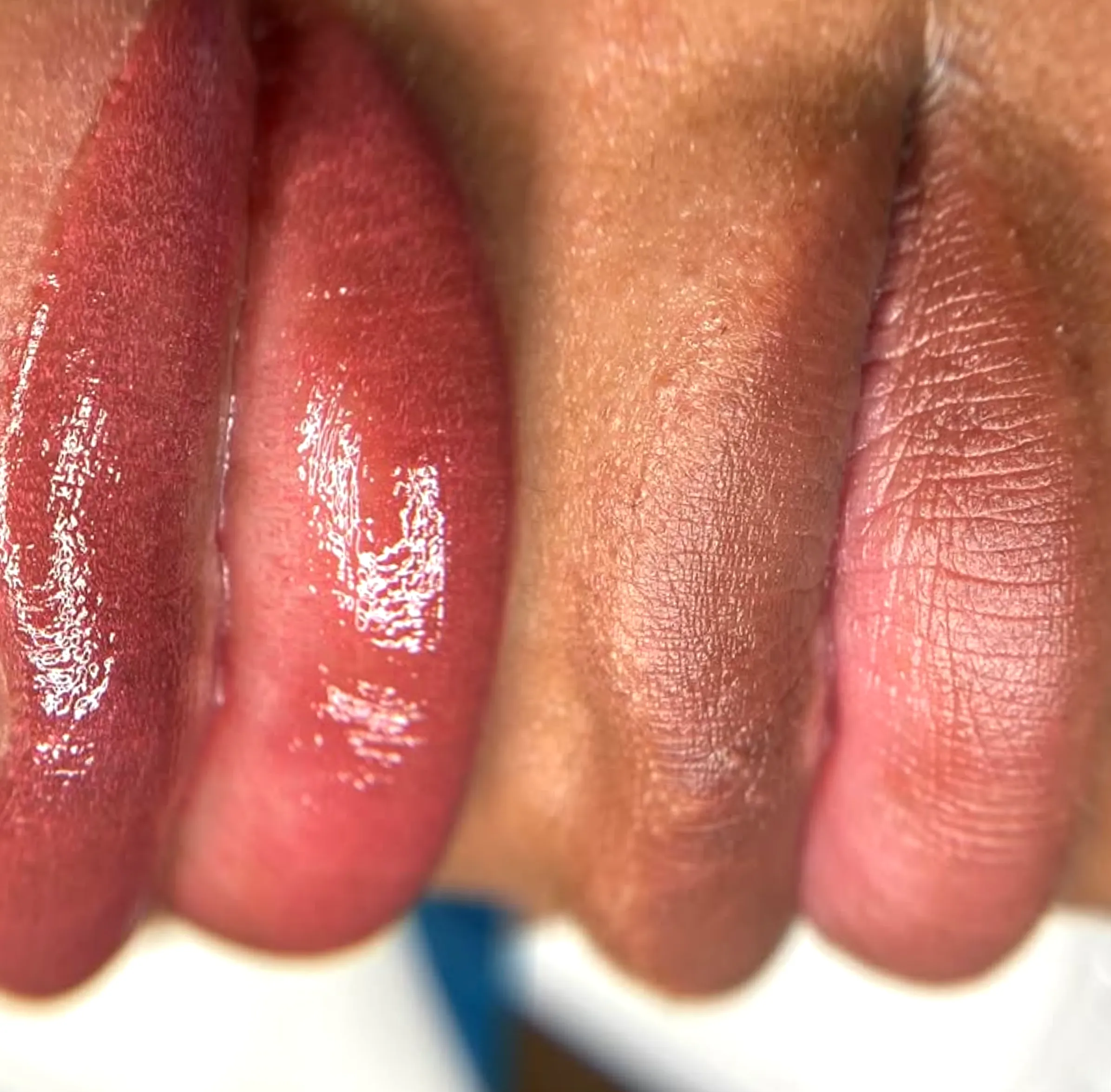
Lip blush is all about subtlety – that soft finish relies on the tattoo ink being implanted just a teensy bit deeper than an eyeliner, so the natural lip shape, Cupid’s bow and border definition can still show through. The trade-off is that it’s not as long-lasting as other tattooing methods.
Unlike getting your brows laminated – where you’re just altering the structure of the hairs – cosmetic tattooing relies on the skin staying as calm and stable as possible. The lips regrow quickly, stay soft and moist, and absorb products like a sponge. That’s why taking care of it at home really matters for lip blush, more than almost any other cosmetic treatment, really.
Dermatology research shows that exfoliating ingredients can increase skin cell turnover by up to 40%. The faster the cells turn over, the sooner the pigment gets shed – and it’s not guesswork, it’s just plain old skin biology.
What’s Wearing Down Your Tattoo
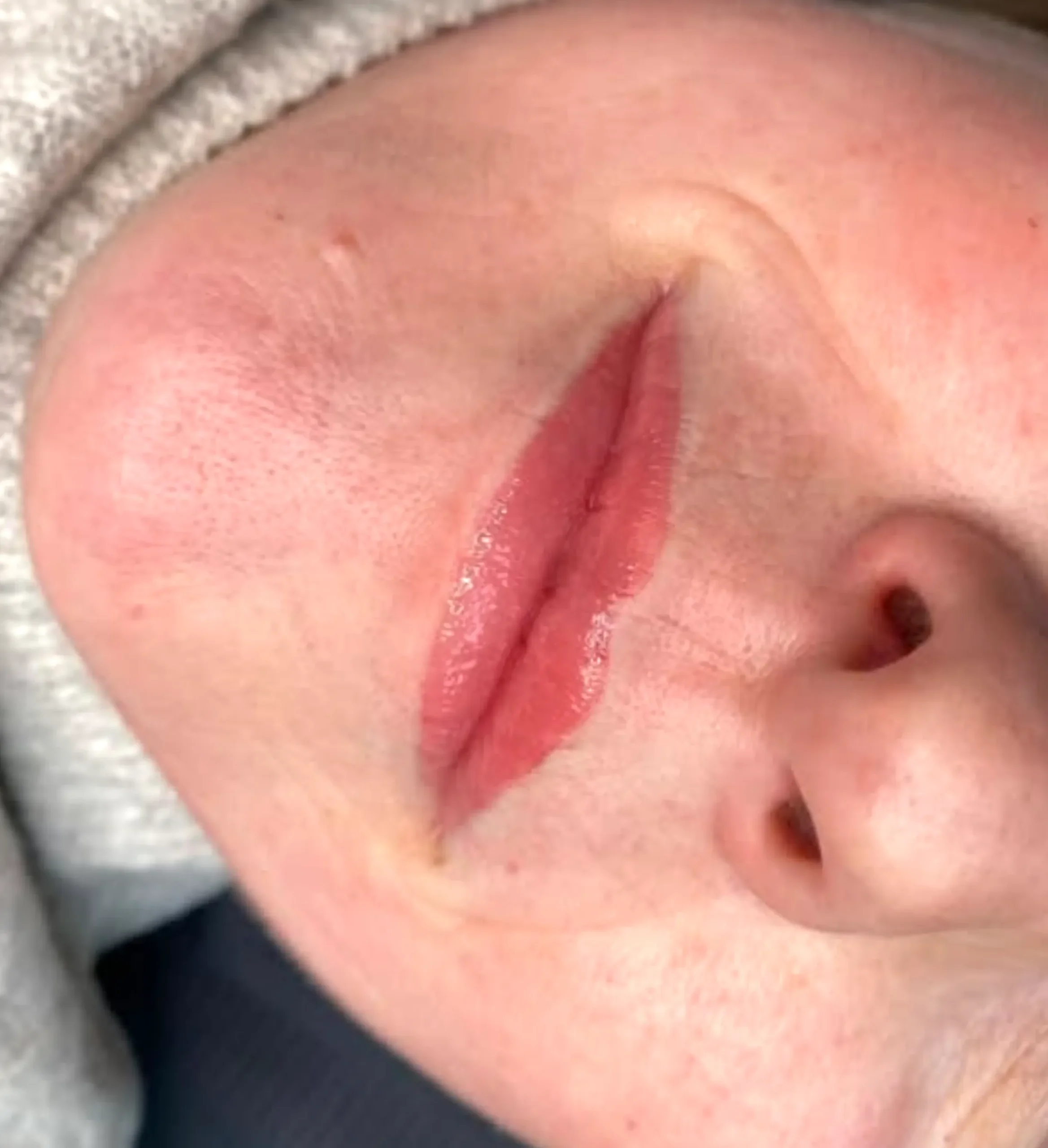
Not every face product is a bad guy. But there are certain ingredients that can be pretty tough on lip tattoos – especially when used regularly or near the mouth.
Retinoids and Strong Anti-Aging Moisturiser
You can’t deny the power of retinol, tretinoin and prescription retinoids for anti-ageing. But they work fast. Too fast for pigment to keep up.
The problem is that they commonly cause:
- A fuzzy lip liner that just won’t stay in place
- A patchy, uneven colour around the lip edge
- A loss of vibrancy in the centre of the lips
And even when you think you’re being careful, there’s still a risk of migration overnight – I’ve definitely seen my fair share of that at Cosmetic Tattoo Melbourne Studio.
Chemical Exfoliants and At-Home Peels
At home, AHAs, BHAs, and enzyme exfoliants, as well as any form of chemical peel, are fairly harsh on the skin. They break those tiny bonds between skin cells. Gradually, they strip the pigment away.
People who use these consistently often report:
- Random patches of fading
- Softer, less defined lip colour
- They’re needing touch ups a lot sooner than they used to
And things get even worse for anyone who uses peel-off liners, lip stains, or exfoliating lip masks.
Benzoyl Peroxide and Acne Treatments
Benzoyl peroxide oxidises pigment, which can be a real problem if you’re a fan of warm pinks, nudes or peach tones. And if you’ve ever seen it bleach towels, you probably have an idea of what it can do to your tattoo ink.
When Skin Reactions Start to Cause Real Problems
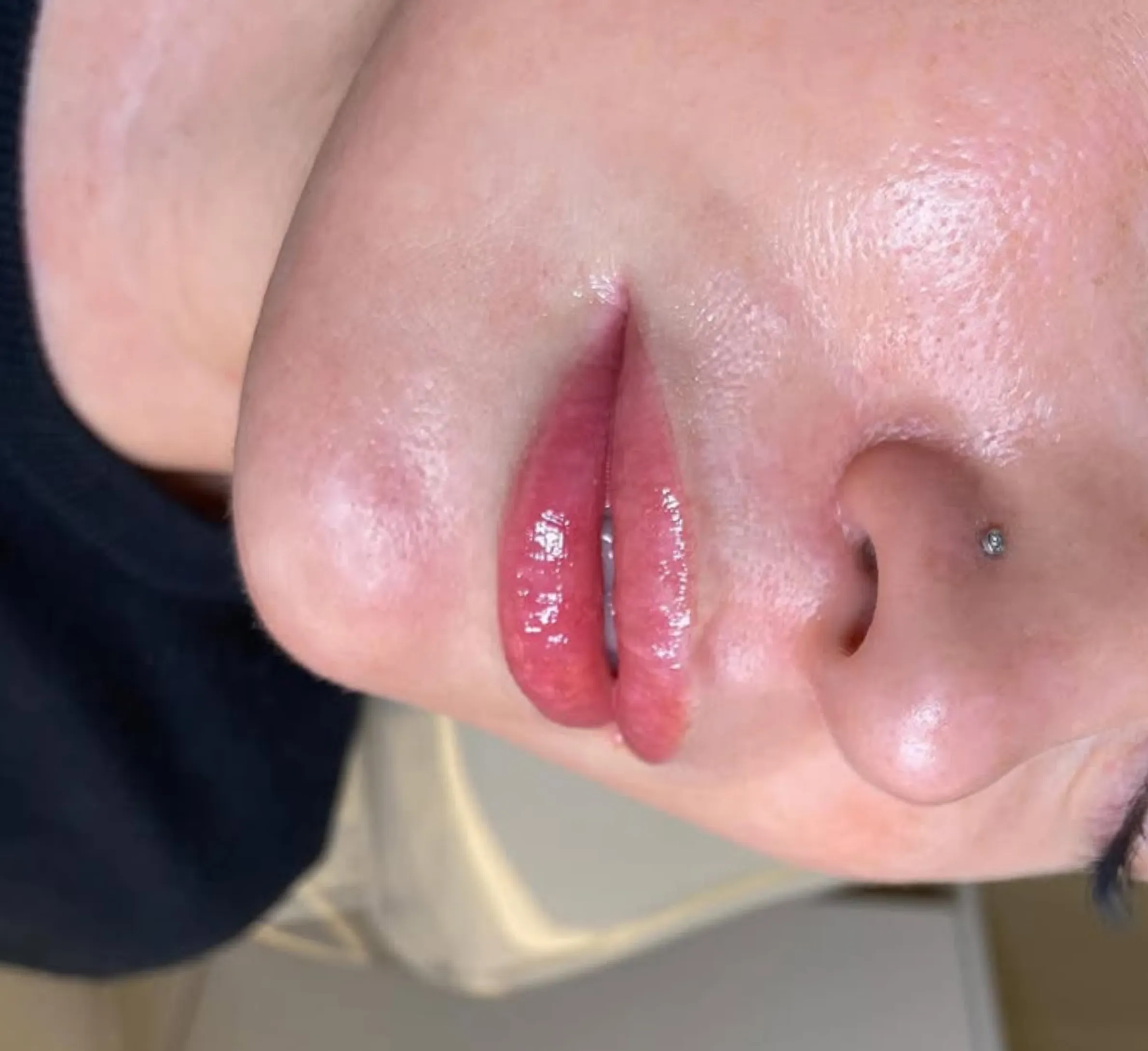
Fading isn’t always gradual. It often gets a kick along from inflammation.
Some products can push your skin to the limit, causing:
- Allergic reactions
- Contact dermatitis
- A lichenoid reaction (rare, but a bit of a nightmare)
These reactions can make it harder for your skin to hold onto that pigment during the healing process. And if you’ve ever had trouble with metal jewellery, makeup or hair dye, you probably know what I’m talking about.
Antiviral medication or a history of cold sores means you’ll need a bit more care after a tattoo, as inflammation can significantly affect your colour retention.
How Makeup Affects Your Tattoo
To be honest, the way you do your makeup can be a lot more influential on how well your tattoo ages than you might think.
Especially during the healing process, and even after you’re done, certain habits can just speed up the fading:
- Using heavy, long-wear lip products that never budge
- Applying dry matte lipsticks non-stop
- Using peel-off liner or aggressive lip stain formulas constantly
Friction, basically, is your enemy here – rubbing and scrubbing just strips away the pigment-holding cells. Not to mention that reusing dirty lip brushes introduces bacteria, which just slows everything down. Hydrate. Use a lip balm or gloss that protects rather than strips.
The Healing Phase – Most Mistakes Are Made Here
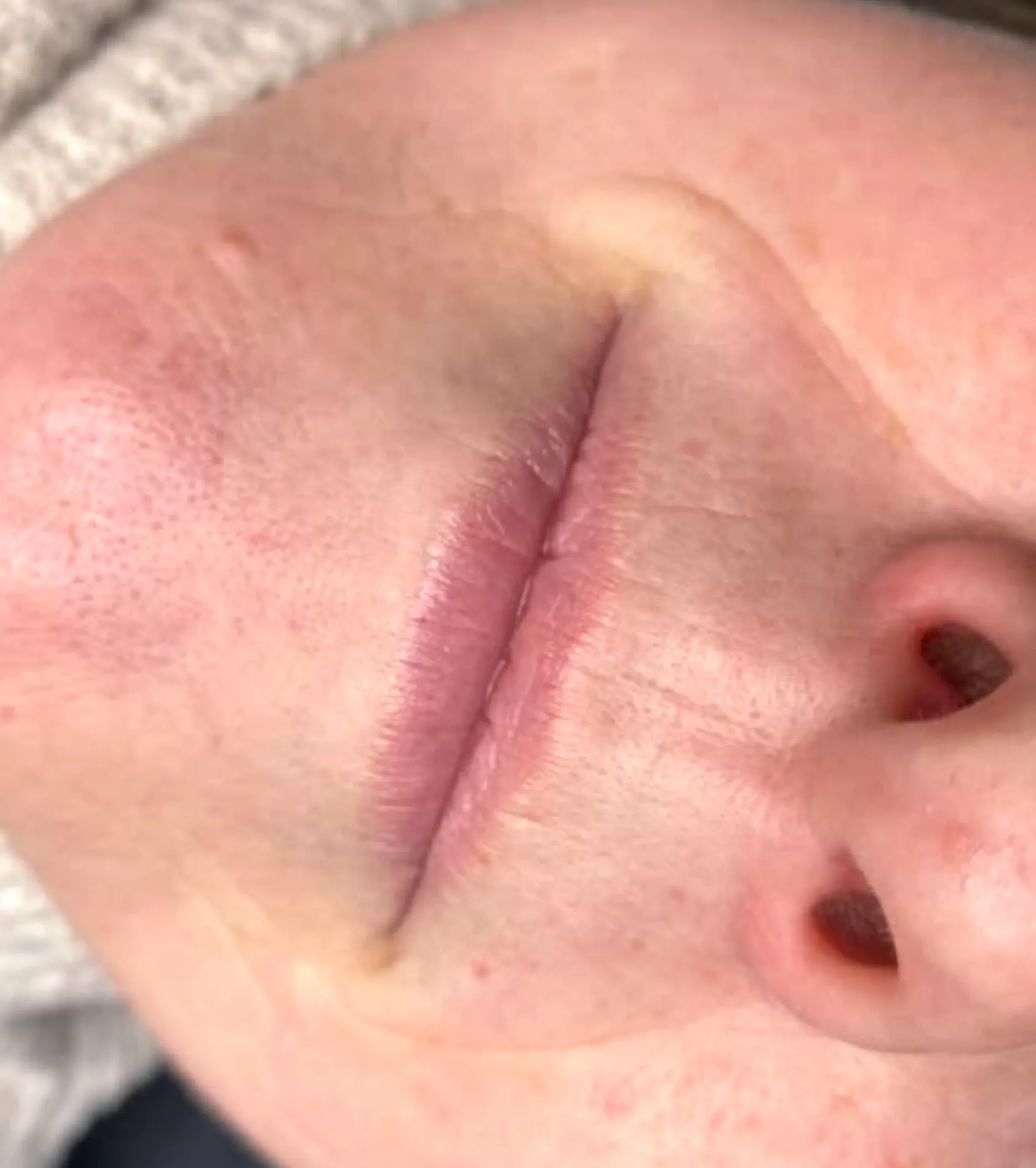
The two weeks following your appointment can pretty much make or break the success of your treatment. It’s a critical period after all.
During this early healing phase:
- Stick to the lip balm or barrier cream that was prescribed for you – nothing else.
- Keep your lips moisturised, but not dripping with ointment.
- Try to avoid swimming pools altogether – chlorine is bad for the colour and can irritate your skin.
- Give the area around your mouth a break from all the active skincare – no point pushing your luck.
You might be tempted to try out a new conditioning serum or keratin treatment, but now’s really not the time. Using up old products can be a real risk, especially on healing skin. Always double-check the expiry date – and if it’s past due, then bin it.
What You Can Do After Healing
Once the lip area has healed, usually around the four-week mark, you can begin reintroducing parts of your normal routine slowly.
A good rule of thumb for the long-term is:
- Keep retinoids and exfoliating products a good distance from your lip line.
- Hydrate the area before applying harsh products.
- Make sure you’re using a daily lip balm with SPF.
If you’re one of those people who regularly get chemical or hair treatments like hair perms or eyelash extensions, then let your beauty artist know. Even if they don’t directly affect the lips, they can affect how products interact with your skin and cause sensitivity.
For people who maintain an active skincare routine over the long term, the results may not be as robust as they would be without it. That’s not a bad thing – just adjust your expectations and be prepared for more frequent touch-ups.
Common Offenders at a Glance
| Product or Habit | Typical Use | Effect on Lip Blush |
|---|---|---|
| Retinoids | Anti-ageing skincare | Faster fading |
| Chemical exfoliants | Peels, toners | Uneven colour |
| Benzoyl peroxide | Acne care | Pigment bleaching |
| Peel-off products | Lip makeup | Disrupted healing |
| Expired cosmetics | Old makeup | Infection risk |
| Chlorinated water | Pools | Colour breakdown |
Reference number: internal clinic aftercare guide, updated 2025.
Why Professional Advice Beats Guesswork
Working with a well-established clinic like Cosmetic Tattoo Melbourne Studio gives you something that’s just not available when you go solo – continuous guidance. A good support team doesn’t just disappear when the appointment is over. Asking before changing up your products can even save your results from going to pot.
Fixing faded pigment is always going to be tougher than stopping it from fading in the first place. Prevention is cheaper, easier, and far less frustrating than correction.
The Big Picture: Getting Real About Expectations
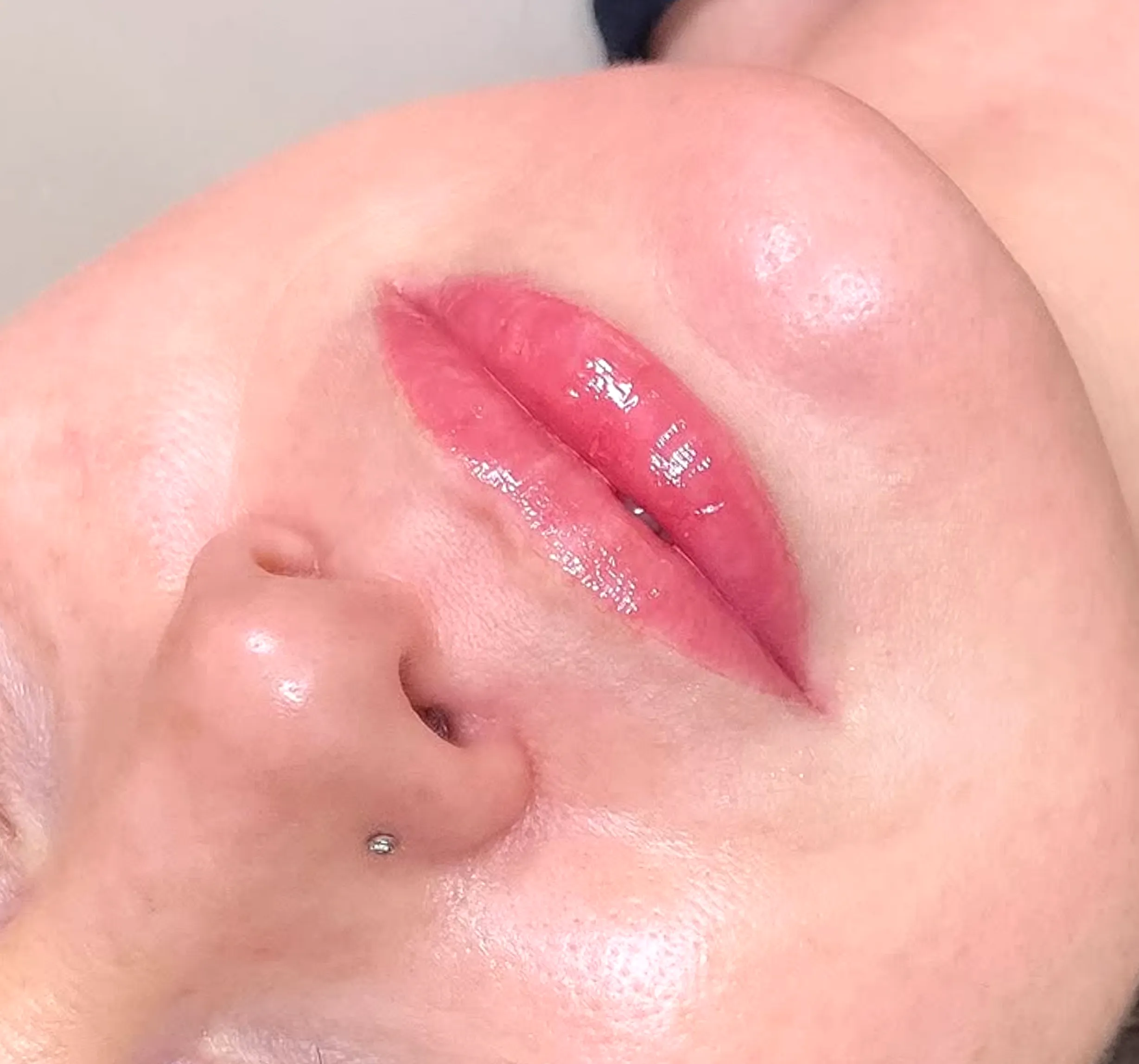
Even with perfect care, lip blush is designed to fade over time. When it comes to most clients, you can expect to see:
- The colour settles in completely by 6 to 8 weeks
- Gradual softening of the colour over the next 12 to 24 months
- Planned refresh appointments as part of normal maintenance
There’s no such thing as completely permanent results when it comes to cosmetic tattooing. Honesty is key to managing expectations and keeping results looking good long-term.
Final Takeaway
Lip blush longevity isn’t just about luck – it’s about skin chemistry, ingredient awareness, and sticking to a consistent aftercare routine. Avoid products that strip your skin of its natural oils and cause irritation. And if something feels like it’s causing problems, stop using it and ask for advice.
You only get one chance to heal a tattoo. Treat that window with respect.
FAQ
Can I resume using anti-ageing products on my lips after applying lip blush?
Yes, but keep them well away from the tattooed area. Regular use can still cause the colour to fade faster.
Are lip stains safe to use on tattooed lips?
Occasionally, yes. Be cautious with drying or peeling formulas, as they can shorten the lifespan of the pigment.
What causes patchy fading rather than even lightening?
Most often exfoliation, friction, inflammation, or inconsistent aftercare.
Can using expired makeup affect my tattoo?
Yes. Expired products increase the risk of irritation, infection, and uneven pigment loss.
How often do most people need refresh treatments?
It depends on skincare habits, sun exposure, and metabolism, but many people need a top-up every 12 to 18 months.