What are the downsides of fine-line tattoos?
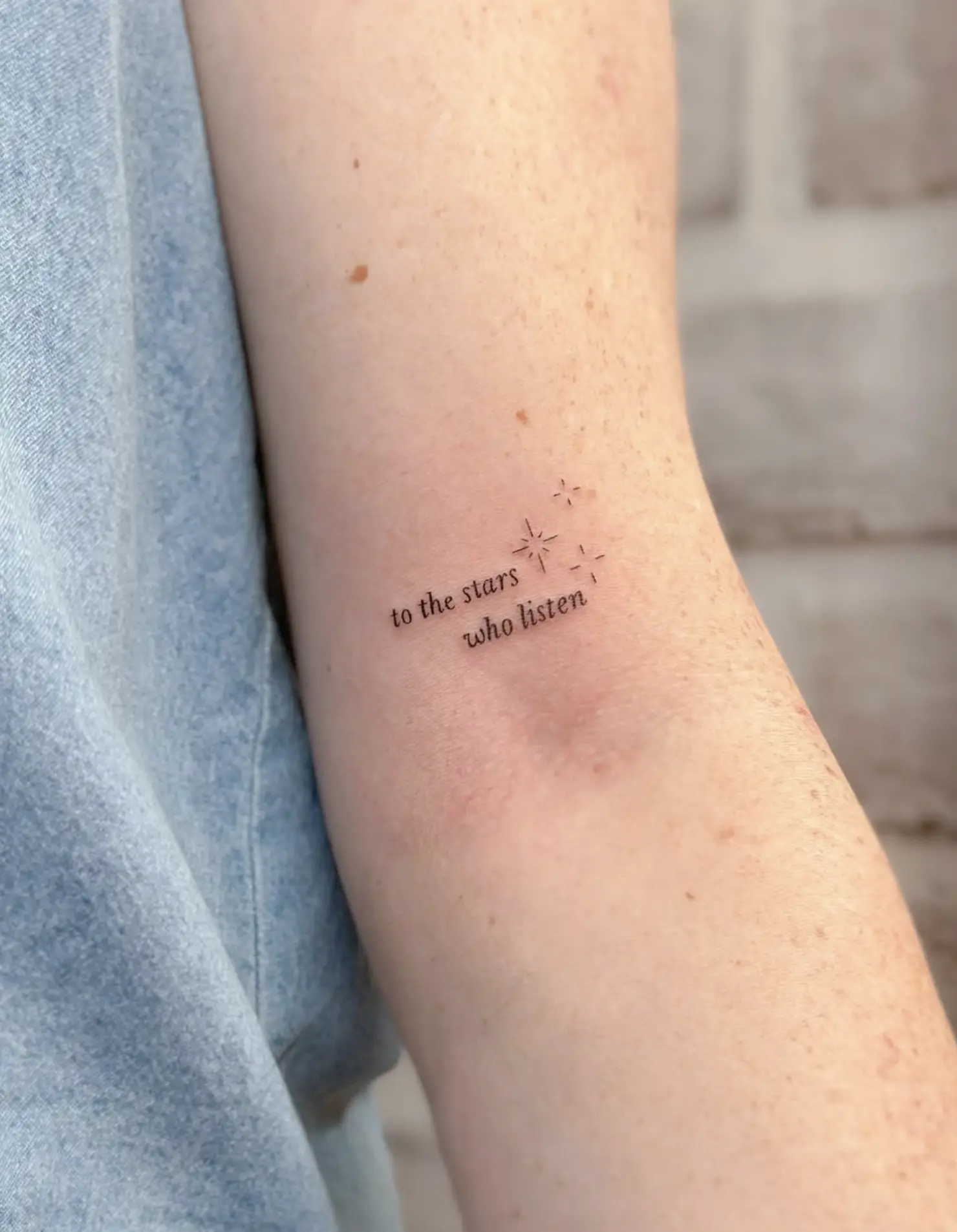
We need to talk about what fine-line tattoos don’t show you on Instagram. The truth is, while these dainty little designs have taken over Melbourne studios and social media feeds alike, they come with a few sneaky drawbacks no one talks about until it’s too late.
If you’re thinking about getting a fine-line tattoo, or you’re just curious about why your delicate finger heart is fading fast, this guide spills everything I’ve learned from years of tattooing, correcting, and watching trends come and go in the tattoo world.
Let’s get into the realities of fine-line ink, including what happens after the perfect Pinterest pic. If you’re coming from the cosmetic tattoo world, you’ll also notice some similar healing challenges.
Contents
- 1 Why Fine-Line Tattoos Are So Popular
- 2 They Fade Faster Than Traditional Tattoos
- 3 Not All Artists Have the Right Technique
- 4 They Require a Bit More Aftercare
- 5 They Don’t Always Age Well
- 6 Touch-Ups Are More Common
- 7 Placement Risks
- 8 Healing Isn’t Always as “Invisible”
- 9 The Influence of Social Media
- 10 When Is It Worth It?
- 11 Final Thought
- 12 FAQ
Why Fine-Line Tattoos Are So Popular
Minimalist designs. Single-needle technique. Clean, subtle line work. It’s not hard to see why fine-line tattoos have become the unofficial uniform of creative types, first-timers, and anyone who wants something “cool but not commitment-level.”
In Melbourne, I’ve seen a big rise in tiny tattoos behind the ear, along the wrist, and on fingers — thanks to influencers, artists, and tattoo shops showcasing intricate geometric designs and minimalist aesthetics on social media. The aesthetic is undeniably appealing. But the demand has also led to a lot of under-informed decisions, rushed work, and fading regrets.
I always ask clients: Do you want a tattoo that still looks crisp in 5 years, or one that only photographs well on day one?
They Fade Faster Than Traditional Tattoos
Fine-line tattoos don’t have the same staying power as traditional tattoos — and that’s just science. Why? Less ink saturation, smaller needles, and shallower depth. It’s a minimalist aesthetic, but also a minimal deposit of pigment.
What causes the faster fading?
- Single-needle or 3RL lining delivers less ink into the second layer of skin
- Most are done with black ink or grey pigment, which lightens over time
- Areas like fingers, wrists, and inner forearms experience high friction
At Face Figurati Cosmetic Tattoo Studio, I’ve seen clients return after 12–18 months wondering why their once-crisp micro tattoos are barely visible. Compared to a cosmetic tattoo with deeper pigment saturation, fine-line work typically fades much faster.
Pro tip: If you’re choosing placement, avoid high-friction spots if longevity is a priority.
Not All Artists Have the Right Technique
Because these tattoos look “simple,” people assume they’re easy to execute. Not true.
Fine-line tattooing requires a very steady hand, proper skin stretch, a tattoo machine built for precision, and a deep understanding of how skin types behave during and after the healing process. There’s zero margin for error with thin, delicate lines. A wobbly pass or too-shallow insertion can leave you with blurry, patchy work — or worse, a blow out.
Warning signs of poor technique:
- Lines heal thicker than intended
- Fuzzy edges or blue-grey ink migration
- Uneven pressure or shaky lines
- Inconsistent use of single needles or poor control over lining needles
Always check your artist’s healed work portfolio — not just fresh ink shots. Anyone who’s done a fine line tattoo course will tell you that healed results matter more than the day-one photos.
They Require a Bit More Aftercare
Because fine-line tattoos are less saturated and often more shallow, they’re more vulnerable during the healing process. They can scab, fade or blur more easily if not cared for correctly.
The right aftercare makes a big difference:
- No picking or scratching during the flake phase
- Gentle dry healing (or a thin layer of healing balm)
- Avoiding sweaty workouts and direct sun exposure in the first 10 days
- No exfoliating products or UV rays near the tattoo for at least 3 weeks
They Don’t Always Age Well
Even with perfect technique and top-notch aftercare, fine-line tattoos will soften over time. The crisp detail that looked so sharp at first tends to blur slightly as your skin regenerates and your immune system processes ink pigments.
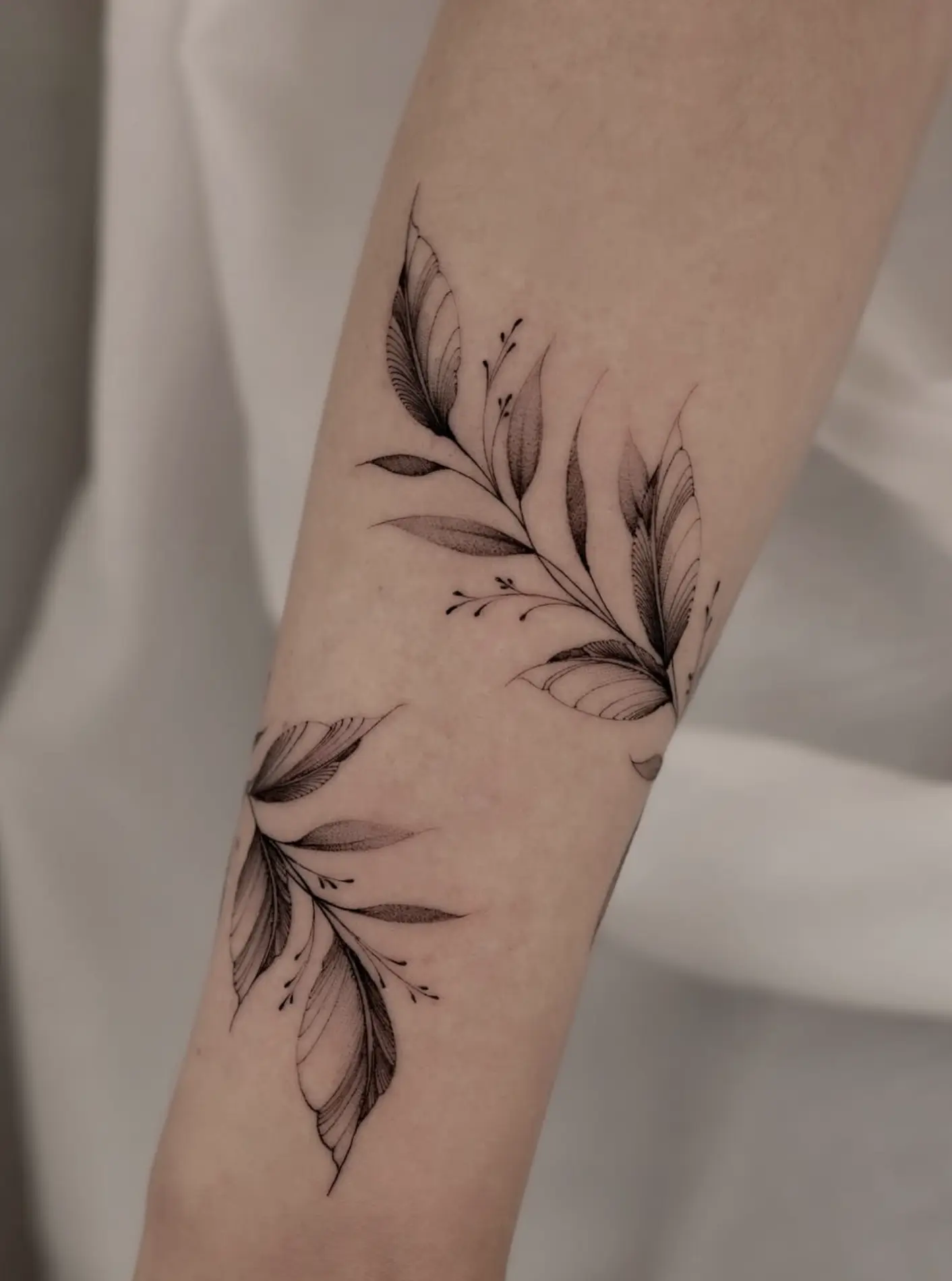
What ages the most:
- Skin type: oily or dry skin pushes pigment differently
- Sun exposure: especially in Melbourne summers
- Placement: high-movement areas age faster
Touch-Ups Are More Common
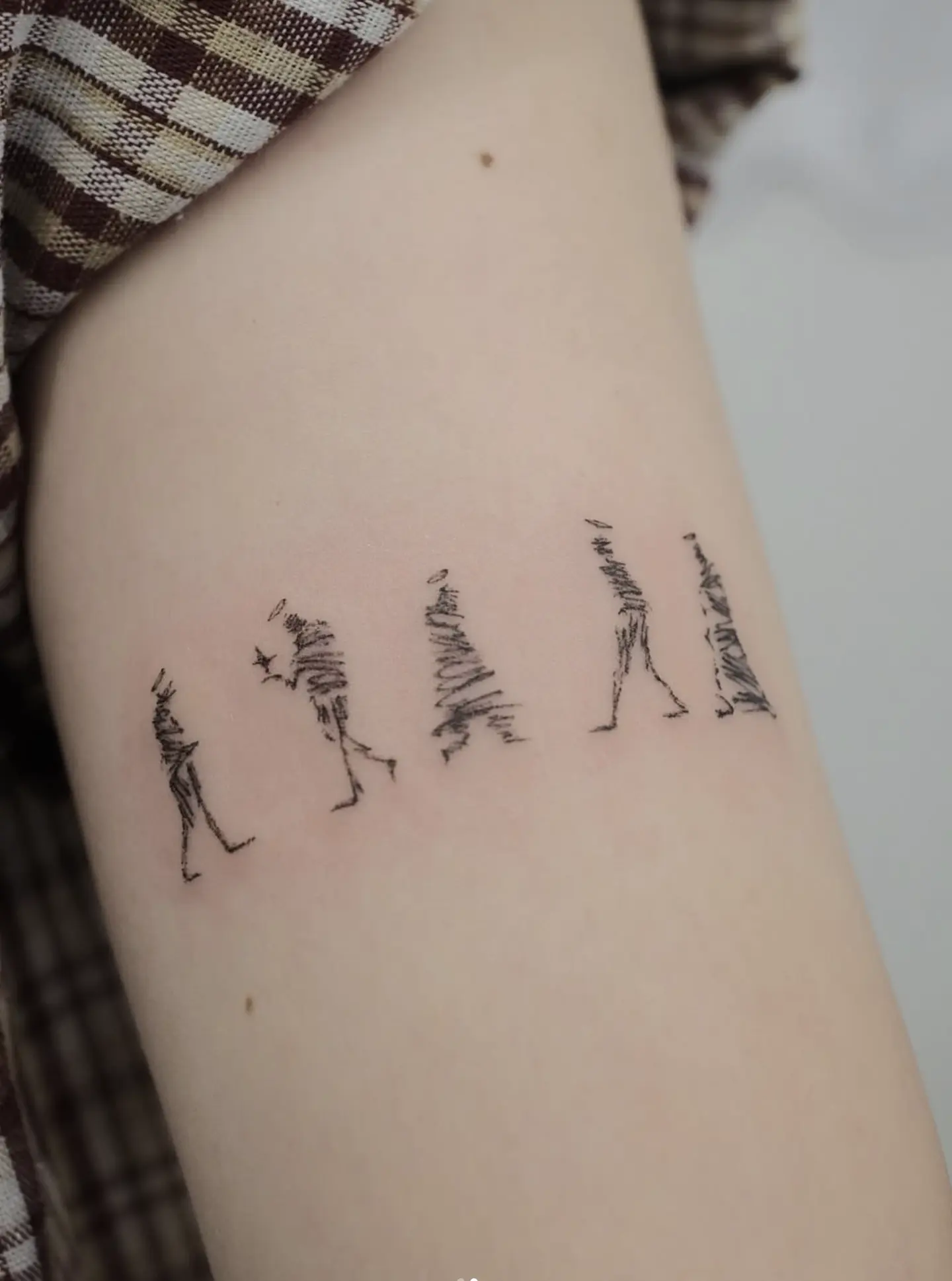
Clients are often surprised when I mention that fine-line tattoos might need a touch-up within the first 12-24 months. That’s not bad work — it’s just the reality of these designs.
Common reasons:
- Dry or flaky skin
- The artist didn’t go deep enough with the single needle tattoo technique
- Too much sun too soon after healing
Touch-ups restore clarity — but they’re also extra cost, time and healing. Always ask about your artist’s touch-up policy beforehand.
Placement Risks
Yes, finger tattoos look amazing. But the fingers are one of the worst spots for holding fine-line work long-term. The skin regenerates quickly, moves constantly and is exposed to water, friction and sun almost daily.
| Area | Longevity Rating | Risk Factors |
|---|---|---|
| Fingers | Low | High friction, constant movement |
| Wrists | Medium | Frequent sun exposure, rubbing |
| Collarbone | High | Low movement, easy to protect |
| Behind the Ear | Medium | Can fade if not protected |
| Ankle | Medium-Low | Socks and shoes cause friction |
| Upper Ribs | Medium-High | Protected but moves with breathing |
Healing Isn’t Always as “Invisible”
Some fine-line tattoos go through nearly invisible healing. Others? Not so much. If your skin type is prone to flaking, dry skin or sensitivity, you might notice:
- Raised lines in the first 2 weeks
- Itching and mild peeling
- Temporary pigmentation changes
The Influence of Social Media
It’s easy to fall in love with a fine-line tattoo you saw on Instagram — perfectly lit, freshly done, with no hint of how it might look three months later. But most artists post the fresh version, not the healed one.
Tips:
- Ask for healed work and reference images
- Check reviews and reworks
- Avoid copying exact script or geometric shapes without adapting them to your skin type
When Is It Worth It?
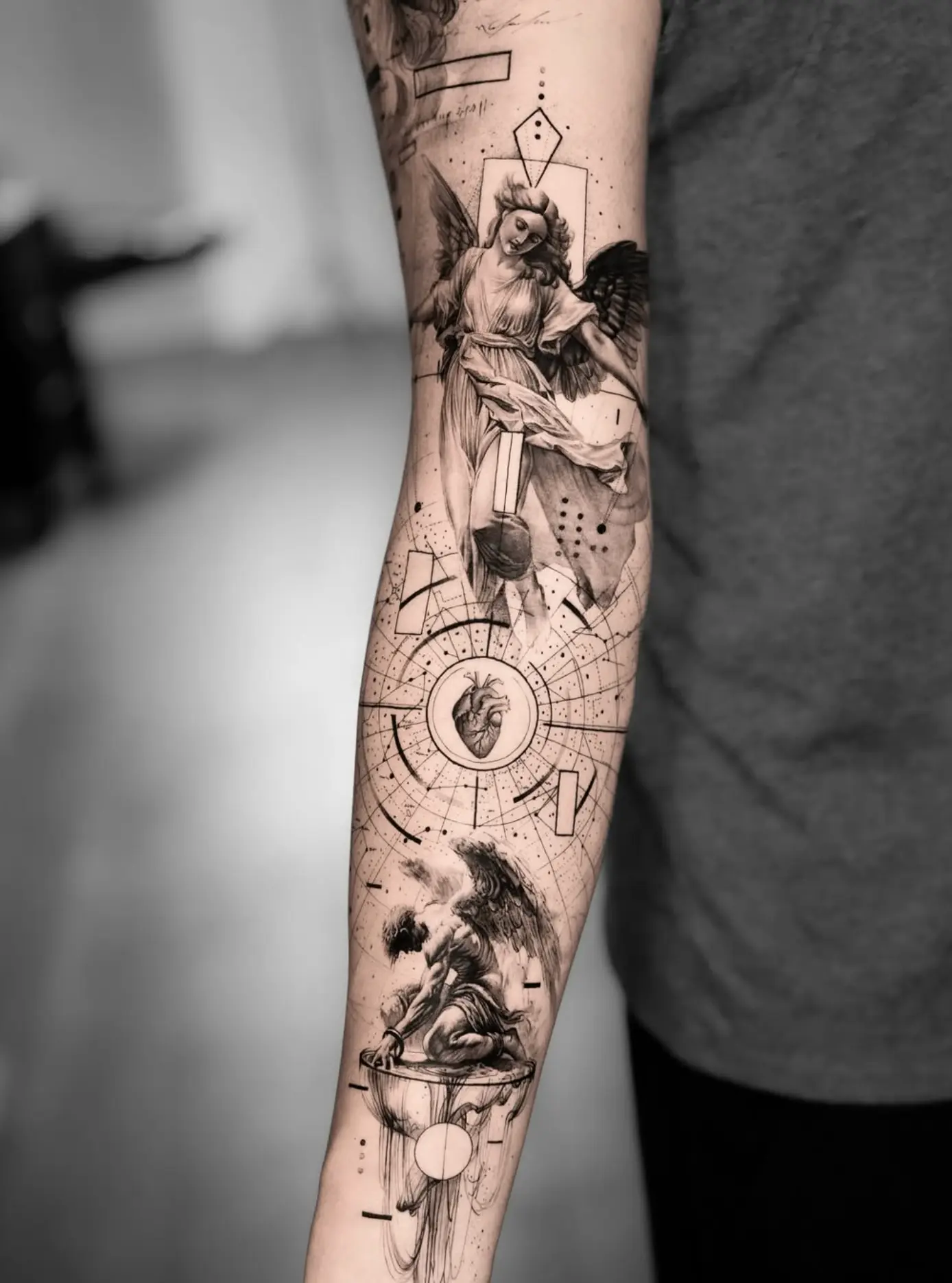
Despite all these caveats, I still do plenty of fine-line tattoos — because when done right, they can be beautiful, subtle and meaningful.
Great for:
- First-timers who want something small
- Symbolic pieces with personal meaning
- Clients who accept they may need touch-ups
Final Thought
Fine-line tattoos aren’t bad. But they do require realistic expectations and a skilled artist who understands precision, skin behaviour, safety and long-term results.
At Face Figurati Cosmetic Tattoo Studio in Melbourne, we walk you through healing stages, placement pros and cons, single needle tattoos versus more saturated work, and skin-type considerations so you can make an informed choice.
FAQ
Do fine-line tattoos hurt more?
Not necessarily. They use single needles, which can feel gentler, but it depends on placement and your personal pain threshold.
How long does a fine-line tattoo last?
They often start to fade after 1–2 years, especially without good aftercare. Touch-ups can extend their life.
Can any artist do fine-line tattoos?
Technically, yes. But not all fine line tattoo artists have the skill and precision needed. Always check healed results.
What ink is used in fine-line tattoos?
Black or grey ink pigments, often with minimal shading. These can fade faster, especially with sun exposure or oily skin.
Are fine-line tattoos easier to remove?
They can be, due to shallower pigment deposits. But it depends on your immune system, pigment type and removal method. Laser must be done safely to avoid bloodborne infections.