Which Country Will Not Allow Tattoos?
Which country won’t let you get tattoos? In my Melbourne studio, this comes up more often than you’d think — usually from travellers planning a big holiday or work move. While Australia has a thriving tattoo culture and thousands of licensed tattoo artists, other countries still have strict cultural codes, laws around tattoos and even no-tattoo policies in public places.
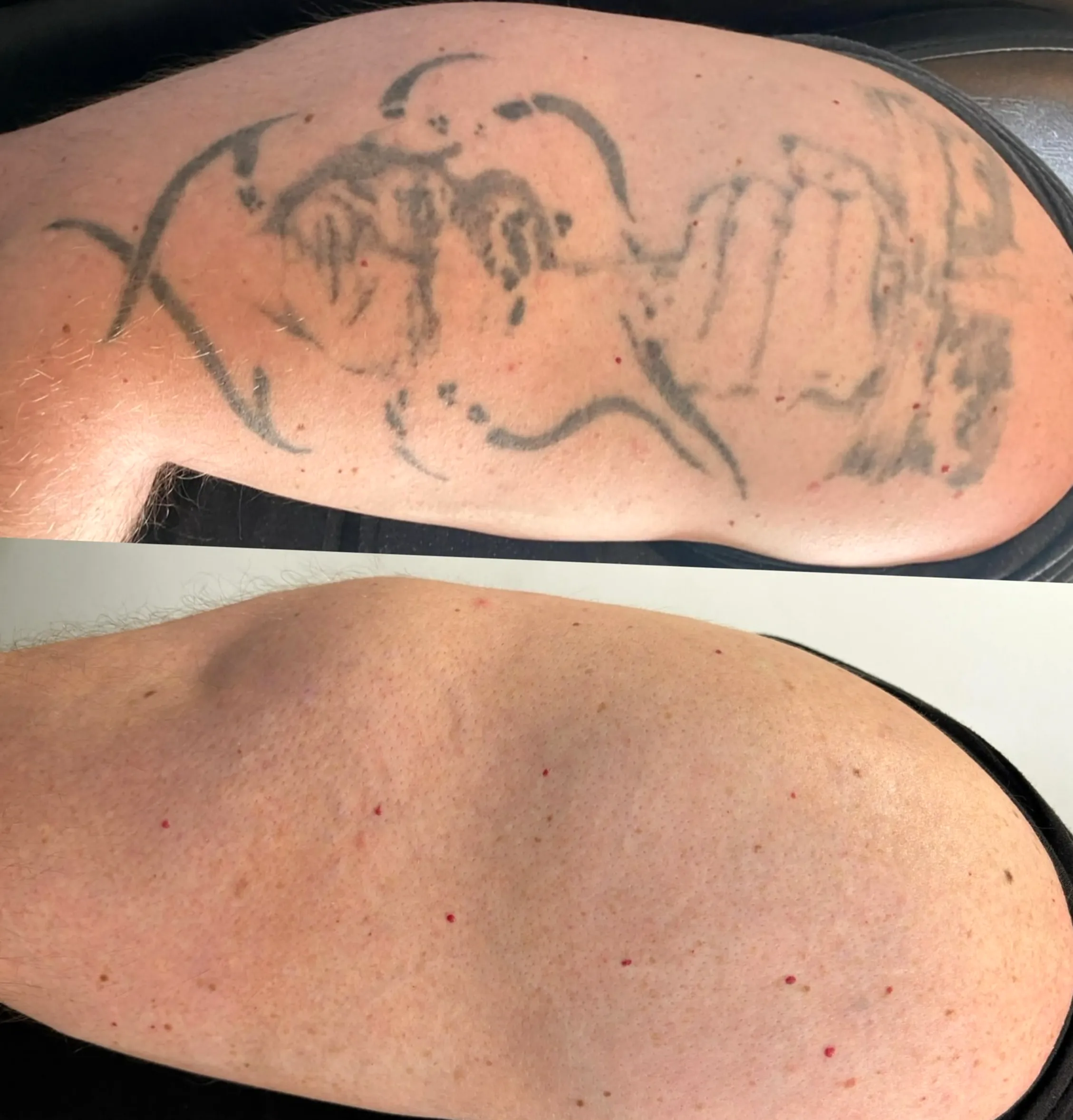
Your sleeve, face tattoos, or even a small symbol on your ankle might be fine here, but in certain parts of the world, it could get you in trouble with the authorities, turn you away from hot springs or question you at border control. And if you’ve got old or unwanted ink before you travel, services like eyebrows tattoo removal and advanced laser technology can help you avoid problems overseas.
Contents
- 1 Why Some Countries Ban Body Ink
- 2 Countries And Regions With Tattoo Restrictions
- 3 Japanese Tattoo Culture And Public Onsens
- 4 Religious Symbols And Cultural Differences
- 5 Health Laws And Medical Restrictions
- 6 Political And Ideological Limits
- 7 How To Travel With Tattoos Safely
- 8 Studio Stories
- 9 Tattoo Acceptance Vs. Restriction In 2025
- 10 Final Thoughts
- 11 FAQ
Why Some Countries Ban Body Ink
Countries regulate tattoos for very different reasons. Some restrictions are based on cultural heritage sites and religious symbols, others on criminal culture or public order.
- Cultural and religious laws — Certain imagery, like Buddhist tattoos in Sri Lanka or Sak Yant designs in Thailand, may be restricted for non-adherents as a sign of respect.
- Criminal associations — In Japan, tattoos are linked to the Yakuza gang and organised crime, which influences rules in public baths, gyms, water parks and public onsens.
- Medical regulations — In South Korea, the Medical Practitioner’s Act allows only licensed medical practitioners to legally perform tattooing, limiting the operation of tattoo parlours and tattoo shops.
- Social norms — Some regions see tattoos as against the social norm, associating them with rebellion, gang affiliation or even hate symbols linked to Nazi culture.
If you’ve got heavily visible brows, eyebrow tattoo removal might be a smart pre-travel step if you’re heading to a country with conservative beauty standards.
Countries And Regions With Tattoo Restrictions
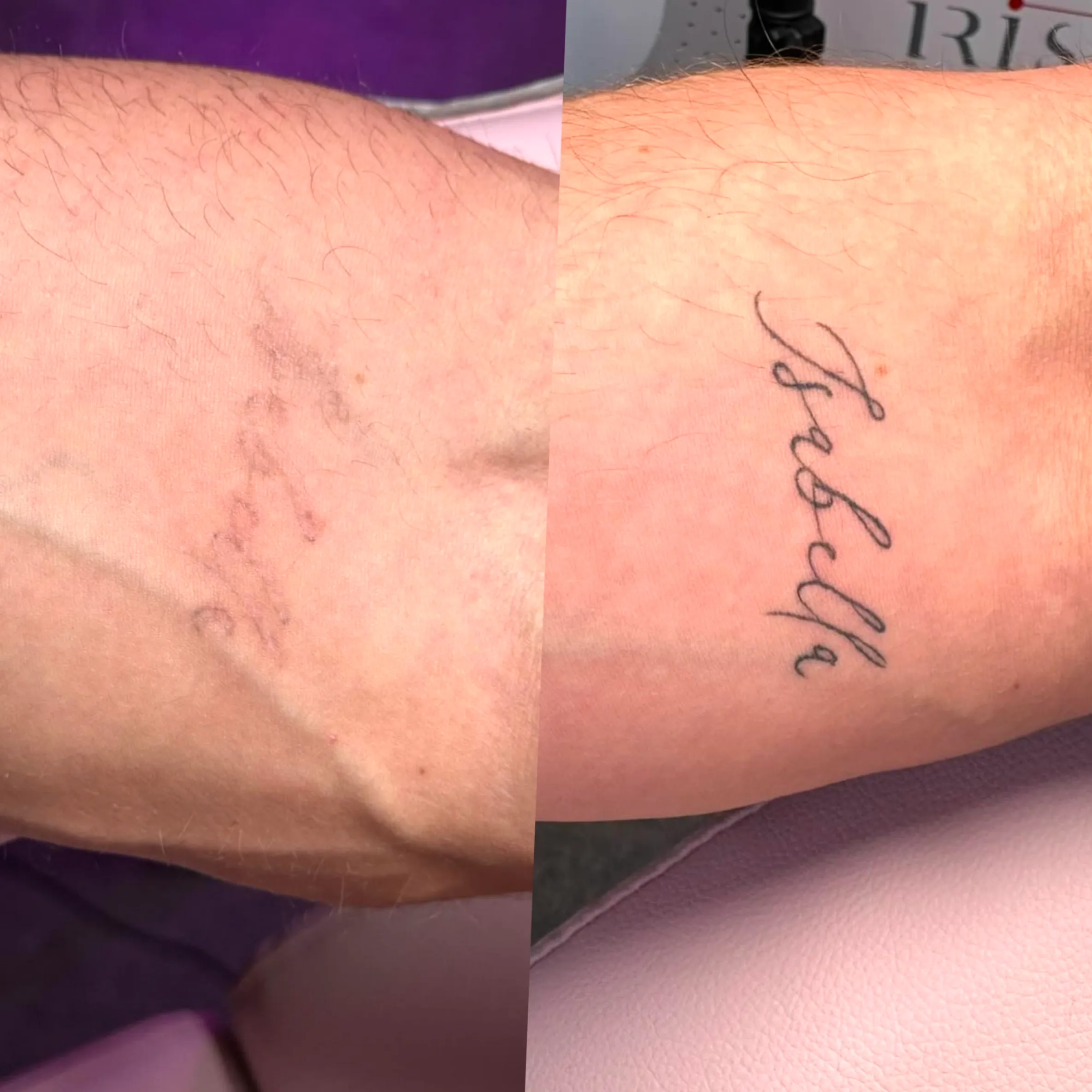
Here’s a 2025 guide to countries where tattoo restrictions are in place:
| Country/Region | Restriction Type | Impact On Visitors |
|---|---|---|
| Japan | Public places like hot springs, public baths, water parks, and public gyms often ban tattoos due to cultural associations with Yakuza gang activity. | Use tattoo cover seals or clothing; private onsen bookings may allow tattoos. |
| Sri Lanka | Displaying Buddhist-themed tattoos is illegal under cultural and religious laws. | Tourists have been arrested and deported. Avoid religious imagery entirely. |
| South Korea | Only medical practitioners with medical licenses can legally tattoo under the Medical Practitioners’ Act. | Tattoo shops operate underground; visiting foreign tattoo artists work discreetly. |
| North Korea | Tattoos must align with state ideology and promote the Kim family. | Locals face strict checks; tourists should avoid political designs. |
| Saudi Arabia | Islamic Sharia law discourages body modifications and bans offensive designs. | Cover tattoos in public places, especially religious symbols. |
| United Arab Emirates | Islamic injunctions classify tattoos as self-harm; tattoo removal is encouraged. | Laser tattoo removal services are available, but avoid showing tattoos at formal events. |
| Iran | Tattooing, spiked hair, and artificial tans are discouraged by the Iranian Barbers Association for religious and cultural reasons. | Keep tattoos covered at all times. |
| China | Regional laws against tattoos for athletes and public servants to promoting a “clean” public image. | Neck tattoos and visible ink are often restricted in formal events. |
| Thailand | Non-Buddhists are prohibited from tattooing Buddha images under cultural codes. | Avoid Sak Yant tattoos unless culturally appropriate. |
Japanese Tattoo Culture And Public Onsens
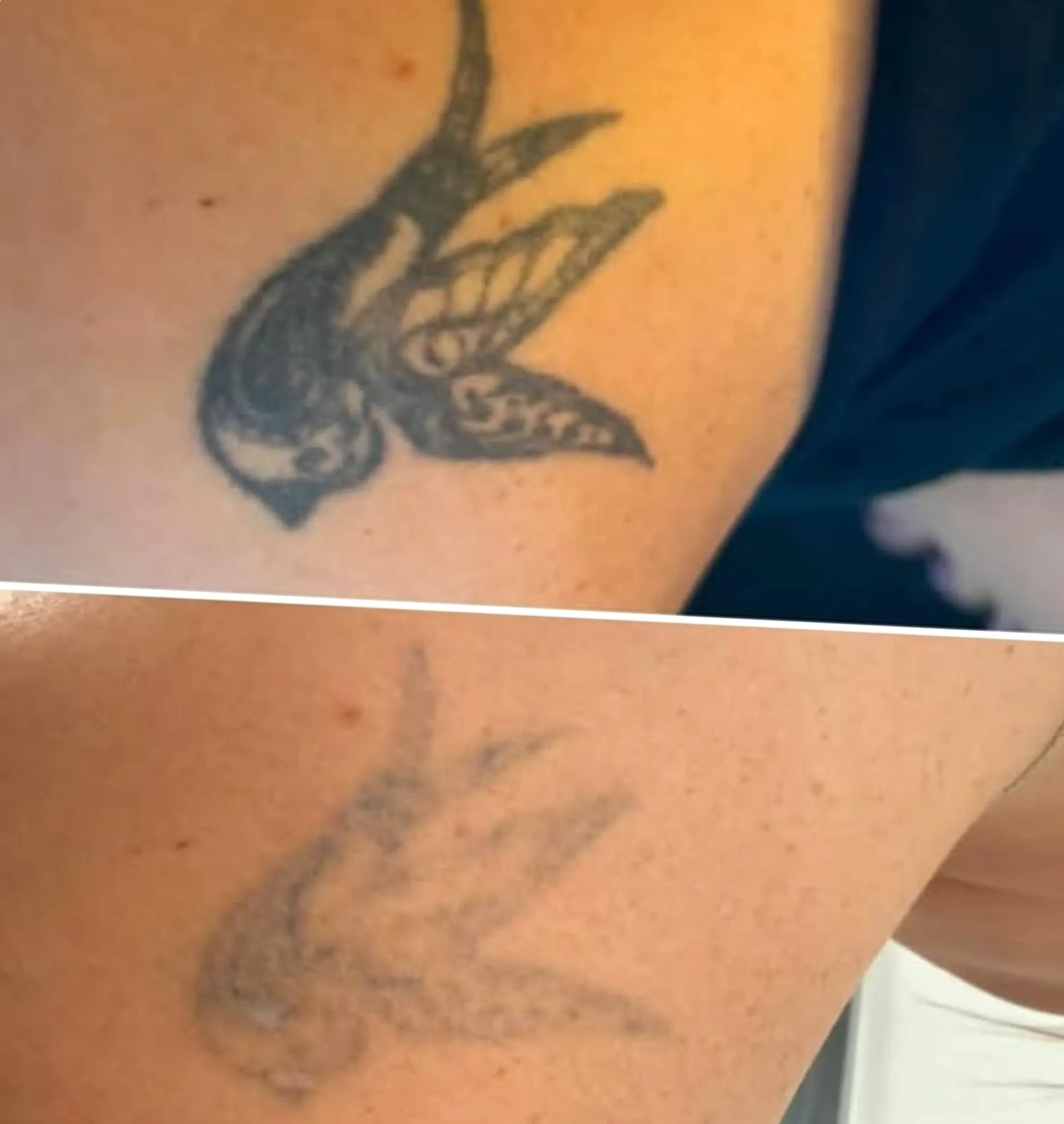
Japanese tattoo culture has been around for ages, from Edo period clay figurines showing early ink designs to modern underground tattoo artists challenging social stigma. But the Japanese government and many businesses still see tattoos as symbols of yakuza affiliation.
Public onsens, public baths and water parks have clear no-tattoo policies. Even in public gyms, showing body ink can be looked down upon. The solution? Many travellers use tattoo cover seals, book private onsen experiences or choose smaller local baths with more relaxed rules.
It’s worth noting that some travellers choose tattoo removal courses before visiting Japan, especially if they have visible designs linked to religious or criminal imagery.
Religious Symbols And Cultural Differences
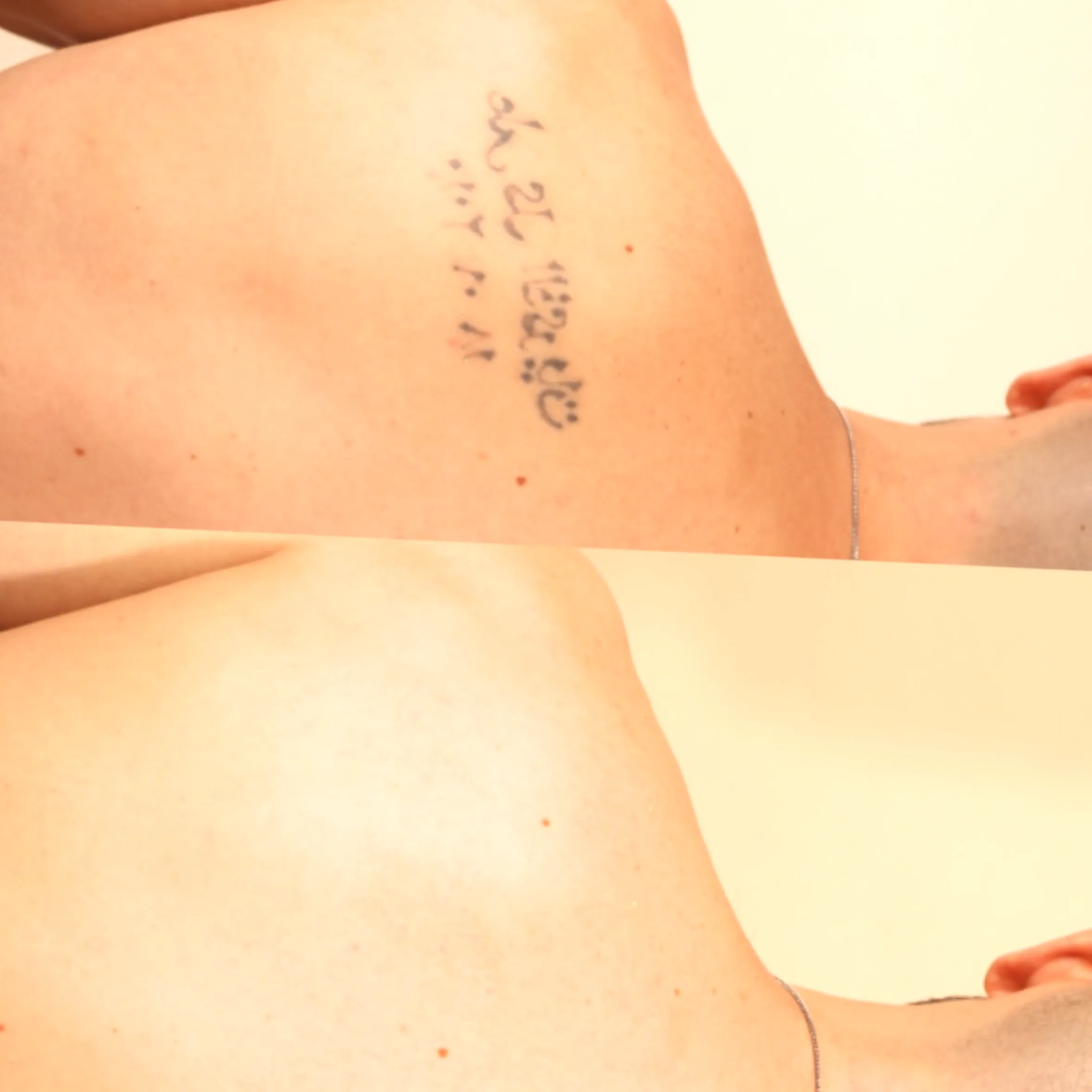
Countries like Sri Lanka have strong cultural sensitivities around religious symbols. Buddhist-themed tattoos, especially on the lower parts of the body, are considered very disrespectful. Local authorities have deported visitor, no matter how innocent their intentions.
In Thailand, laws against tattoos of Buddha for non-Buddhists are to protect cultural heritage sites and maintain religious respect. This extends to Sak Yant tattoos, which have deep spiritual meaning and are traditionally done by trained monks or masters.
Health Laws And Medical Restrictions
In South Korea, tattoo acceptance is rising among youth, but the South Korean government enforces the Medical Practitioners’ Act, and only licensed doctors can tattoo. Most tattoo parlors and tattoo artists operate underground, advertise discreetly through social media.
This has also given rise to high demand for laser tattoo removal technology — not just for regret but also to comply with laws against tattoos in certain workplaces. And for those combining beauty services, many clinics offering laser services also provide Brazillian hair removal and laser hair removal, so you can book both before your trip.
Political And Ideological Limits
North Korea only allows tattoos that praise the Kim family or align with government ideology. Any body ink linked to Western culture, anti-state messaging or hate symbols can result in severe punishment.
In Iran, Islamic Sharia law and cultural attitudes strongly discourage tattoos; they see it as a Western influence. The same restrictions exist in Saudi Arabia and the UAE, where tattoo removal is encouraged and offensive designs can breach Islamic injunctions.
How To Travel With Tattoos Safely
- Plan ahead. Research tattoo laws before you book.
- Cover up in public places like gyms, religious sites and cultural heritage sites.
- Avoid designs with cultural associations unless you have a personal connection.
- Be aware of social norms — neck tattoos or face tattoos are fine in the US, but not elsewhere.
- Book private onsen sessions in Japan instead of public onsens.
- Have a tattoo cover kit for formal events and border control checks.
Studio Stories
At Face Figurati Cosmetic Tattoo Studio in Melbourne, I’ve worked with clients who have had to adjust their designs for travel tattoos. One client wanted a Jim Morrison portrait but was heading to a region that has strict views on Western celebrity imagery. We reworked the concept into a more abstract, legally safe design.
Another client removed old cosmetic work through eyebrow tattoo removal before travelling to a country with conservative beauty standards. The same clinic also offered laser hair removal packages, which she booked for the hot weather.
Tattoo Acceptance Vs. Restriction In 2025
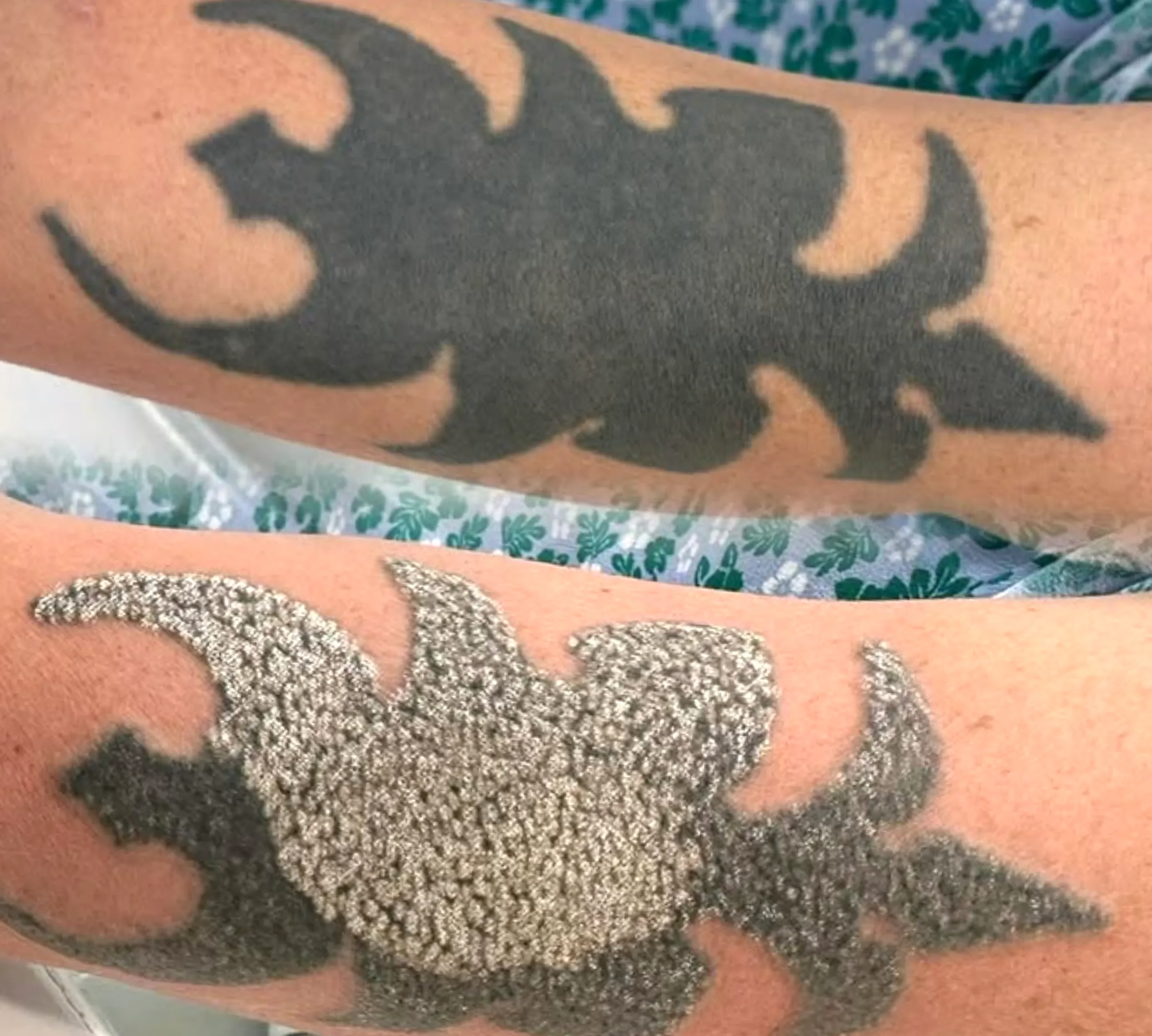
Global tattoo acceptance is growing, but restrictions remain in place in some countries:
- 68% of countries have no major restrictions.
- 22% have partial bans often tied to religious symbols or hate symbols.
- 10% have strong laws against tattoos or operate under strict cultural codes.
Interestingly, tattoo removal — including advanced laser tattoo removal — is growing fastest in countries with restrictive policies, driven by cultural attitudes and workplace requirements.
Final Thoughts
Your ink may be a personal statement here in Australia, but laws against tattoos, cultural sensitivities and social norm differences mean it can be a liability overseas. Whether it’s the Japanese government’s unspoken rules on public baths, the South Korean government’s medical licensing laws or Sri Lanka’s religious bans, knowing the rules is part of responsible travel.
If you’re unsure, consult a professional tattoo artist before your trip — and when in doubt, cover up. Tattoos are art, but respecting local culture is the ultimate form of tattoo etiquette.
FAQ
Can I go to hot springs in Japan with tattoos?
Only if you book a private onsen or use tattoo cover seals, many public onsens have no-tattoo policies.
Is it legal to get a tattoo in South Korea?
Only licensed medical practitioners are permitted; most tattoo artists operate underground.
Will Buddhist-themed tattoos get me deported?
Yes — in countries like Sri Lanka, displaying such tattoos can breach cultural and religious laws.
Are tattoos linked to organised crime in Japan?
Yes, tattoo culture is linked to the Yakuza gang; that’s why public baths and gyms have rules.
Will laser tattoo removal help me travel more freely?
Yes — in countries with strict laws against tattoos, removal may reduce travel risks, and it’s often done alongside Brazilian hair removal or eyebrow tattoo removal for a complete refresh before travel.