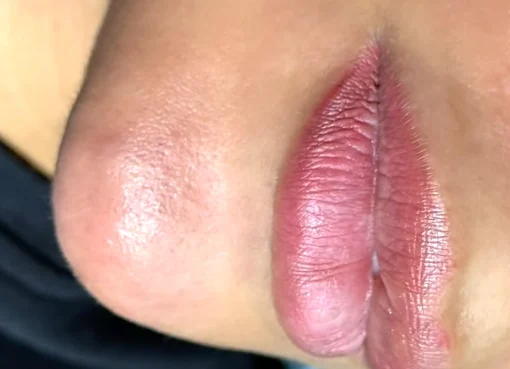
Why Are My Lips Still Dark After Lip Blushing?
So you’re wondering, “Why are my lips still dark after lip blushing?” — you’re not alone. We get this question in our Brisbane studio more often than you think, usually from clients in the middle of their healing process after a lip tattoo who feel their lips don’t match the vision they had.
Lip blushing tattoos are one of the most popular semi-permanent makeup options right now because they enhance your natural lip colour, define the shape and can even correct tone. But here’s the thing: the first few weeks after treatment can be a rollercoaster. Your fresh lip blushing tattoo might look way darker than you expected, then suddenly too light, then patchy — all before it finally settles into the final colour you’ll keep.
We’re breaking down exactly why this happens, how to know what’s normal, when to relax and when to book in for touch-ups or colour correction.
Contents
The First Weeks: What Darkness Means
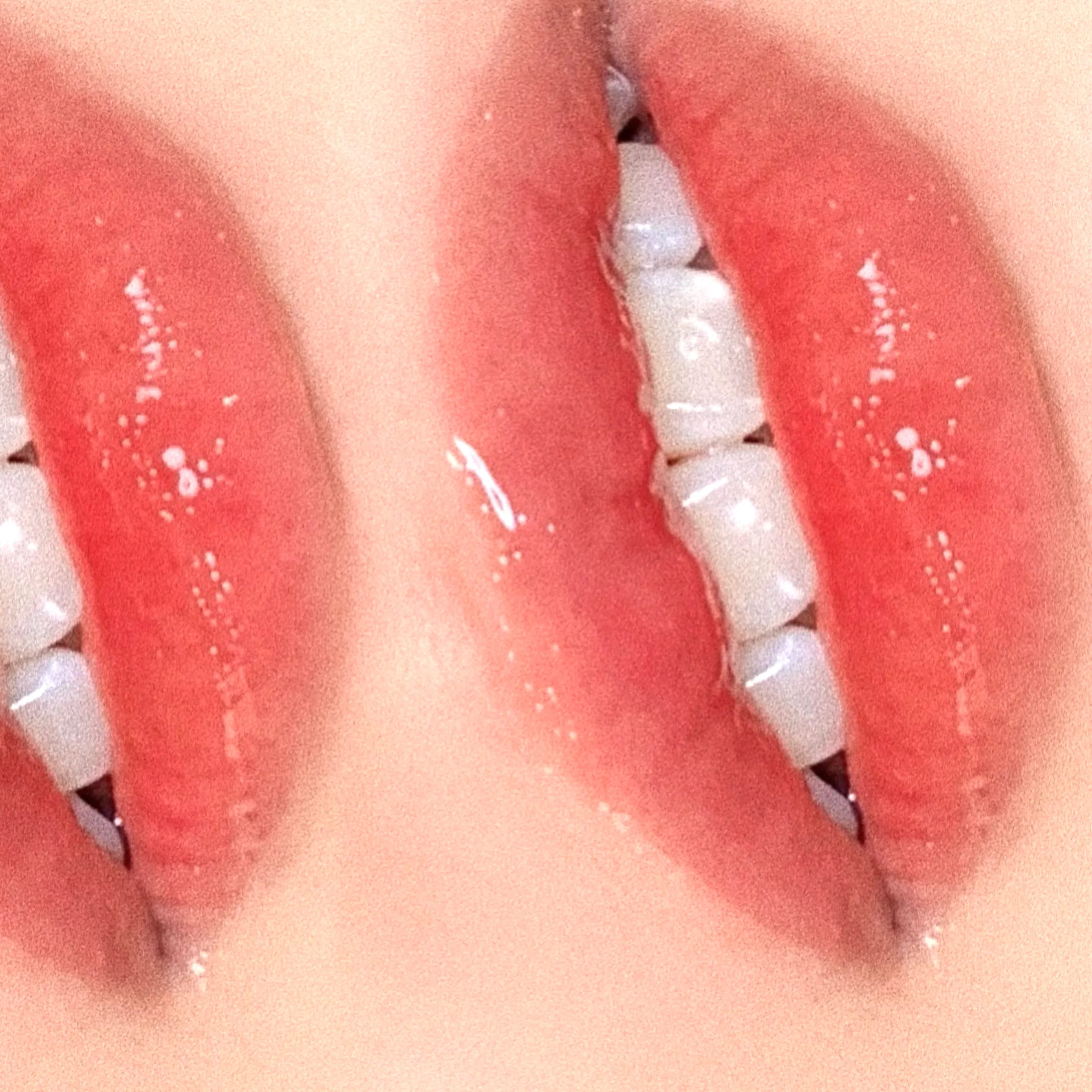
That deeper tone you’re seeing after a lip colour tattoo isn’t usually a sign something’s gone wrong — it’s just part of the skin’s natural healing process.
Right after pigment implantation, your skin is still slightly swollen, your melanin production is active, and the pigment is sitting right at the surface. That combination means lips often look richer, cooler or darker than the final shade. This is especially true if you’ve had dark lip neutralisation or a full-colour lip blushing tattoo rather than a very sheer lip tinting look.
Common Reasons
- Pigment oxidation – Fresh pigment in a lip tattoo will deepen temporarily as it mixes with oxygen.
- Skin tone and undertones – Clients with naturally darker lips or higher melanin levels may see more visible colour retention in the early stages.
- Cosmetic tattoo technique – Styles like ombre or dark lip neutralising can initially appear stronger.
- Healing method – Dry healing without aftercare balm can keep pigment appearing darker for longer.
- Brisbane climate – Our humidity can slightly extend swelling and scabbing, making pigment look deeper.
Healing Stages And Colour Changes
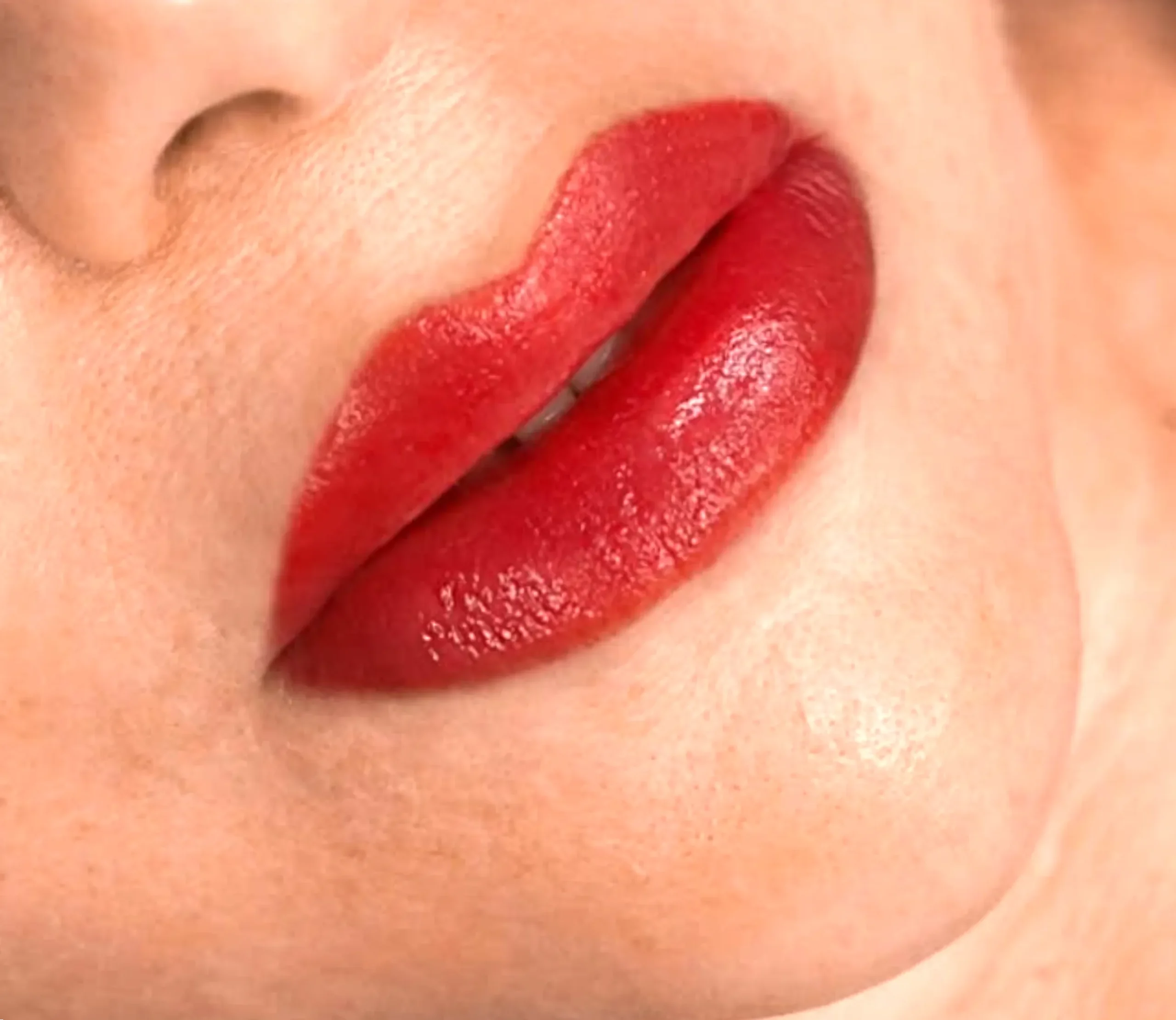
Every lip blushing procedure goes through colour changes before the final colour stabilisation. Knowing the week-by-week process will help you trust the healing journey.
| Week | What You’ll See | What’s Happening |
|---|---|---|
| Week 1 | Lips appear darker, possibly swollen, and then start flaking | Pigment sits on top of fresh skin; swelling affects shade |
| Week 2 | Colour looks lighter or “missing” | New skin covers pigment, causing temporary pigment loss |
| Week 3–4 | Colour begins to return, sometimes patchy | Pigment resurfaces as skin regenerates |
| Week 6–8 | Final colour visible | Colour stabilisation occurs; touch-ups can be booked |
According to 2025 data from the Australian Cosmetic Tattoo Association, 85% of lip blush clients see significant pigment lightening between weeks 1 and 3, so your darker tone early on is almost always temporary.
When Darkness Lasts Longer Than Expected
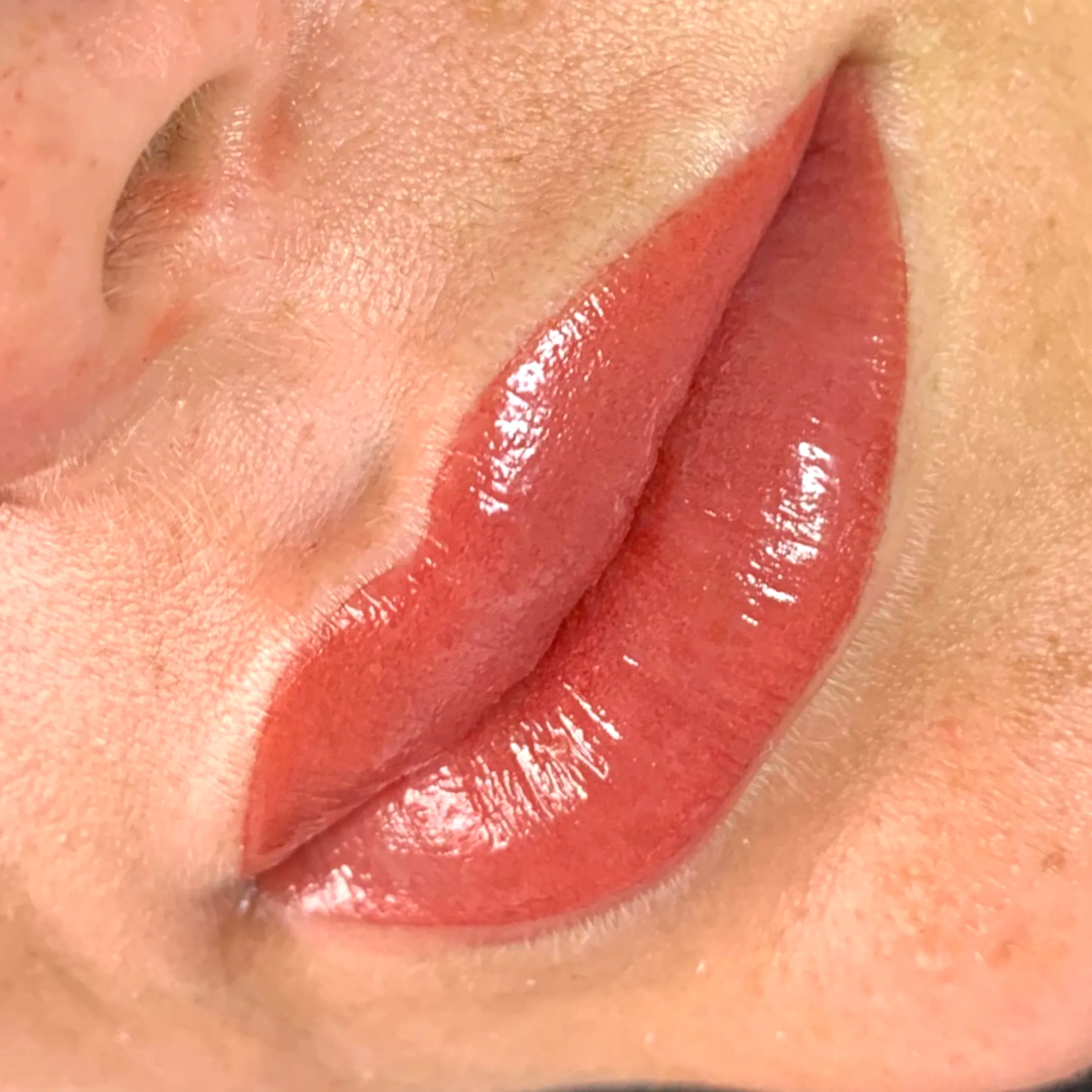
If your lips are still much darker than you’d like after 8 weeks of healing time, there may be other reasons beyond the standard pigment settling.
Longer-Term Reasons
- Over-saturation – Too much pigment implanted during lip tattooing can extend the fading timeline.
- Cool undertones – Without lip neutralising, blue or purple tones in the lips can appear darker.
- Pigment choice – Long-lasting colour formulas and high-load pigments can resist fading.
- Lip condition – Dry, cracked or damaged lips before treatment can heal unpredictably.
- Lifestyle factors – Smoking, frequent sun exposure without SPF lip balm, or using vitamin C serums over the lips can impact pigment retention.
Pigment And Technique
A good cosmetic tattoo artist doesn’t just choose a pigment for its pretty swatch — they’ll match it to your natural lip colour, undertones and desired outcome. Using the wrong tone can leave your healed lips cooler, duller or darker than intended.
In our Face Figurati Cosmetic Tattoo Studio in Brisbane, we work with pigments and techniques suited to Australian conditions. If a client’s natural lips are darker, we might do dark lip neutralisation before adding their target shade. We also customise each lip blushing tattoo to the client’s preference — whether that’s a subtle lip stain, a bolder lip liner effect or a blended ombre style.
Colour Correction
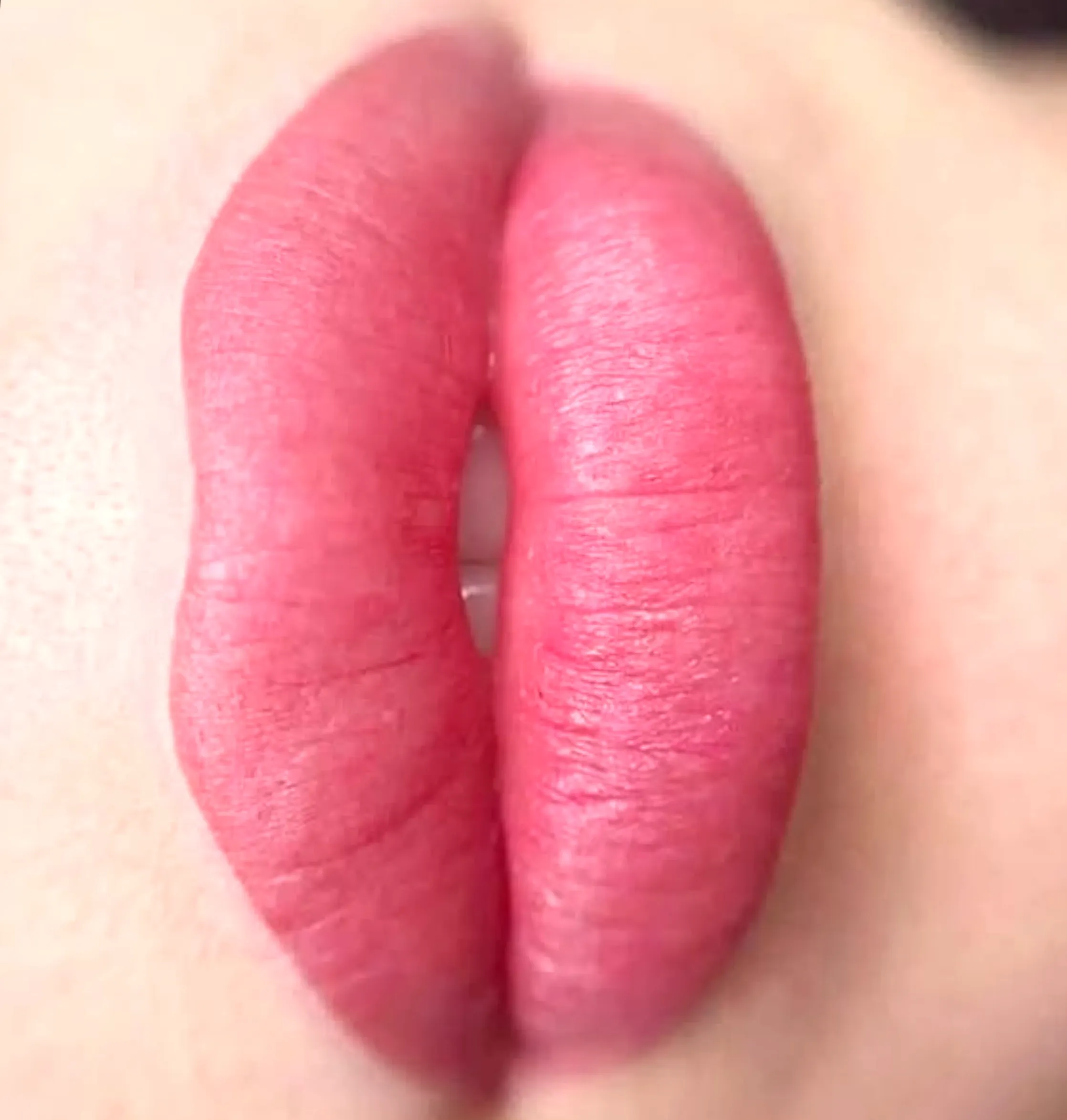
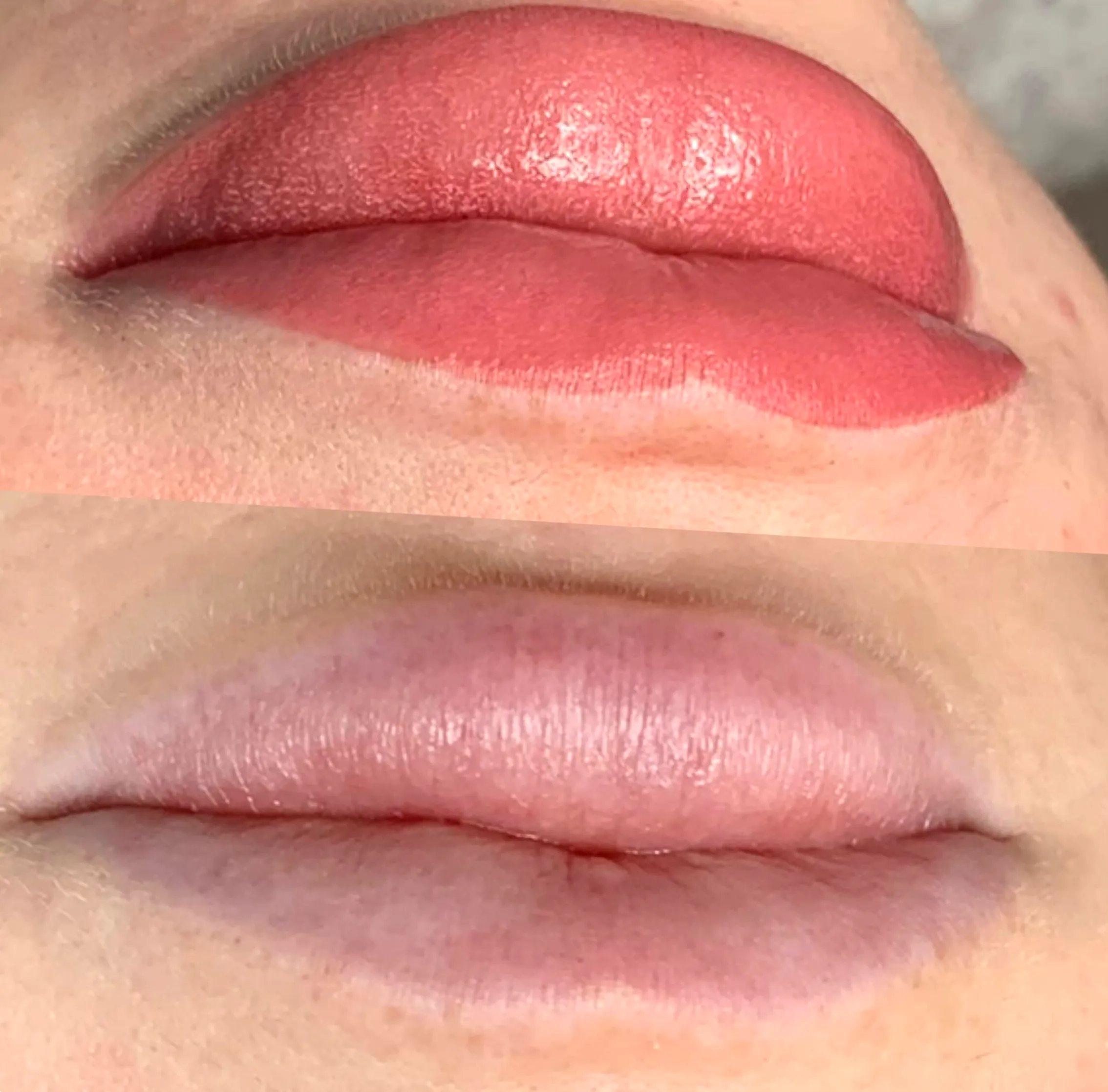
If you’ve reached the end of your healing process and your lips are still holding onto unwanted depth, a colour correction session can help. This involves carefully implanting a warm corrective pigment to balance the tone.
Examples:
- Cool purple tones → Warm coral or peach pigment for lip neutralising.
- Deep brown tones → Soft rose or pink to restore a natural lip colour look.
We’ve corrected many healed lip colour tattoos from other studios, softening them into a flattering, long-lasting colour that works with the client’s undertones.
Aftercare That Helps
How you care for your lips after your appointment has a huge impact on your healed result. Aftercare instructions aren’t suggestions — they’re the difference between a perfect lip blushing tattoo and one that heals unevenly.
Our Brisbane aftercare checklist:
- Use the aftercare balm or ointment we provide — no swapping to petroleum jelly or random lip balms.
- Keep your lips clean and dry, but not too dry — cracked skin can cause pigment loss.
- Avoid spicy, salty or acidic foods in the first few days.
- No lipstick, lip gloss or lip filler top-ups until healing is complete.
- No direct sun exposure — use SPF lip balm after healing to prevent pigment oxidation.
- No swimming, saunas or intense exercise until all flaking has finished.
Real Studio Story
One client came in at week 5, worried her lip blushing tattoos had “gone wrong” because they looked burgundy instead of the soft nude she’d chosen. She had followed most aftercare instructions but was using a vitamin C serum that was getting onto her lips. Vitamin C can accelerate exfoliation, causing uneven pigment retention. Once she stopped using it on the lip area, her final colour at week 8 was exactly what she wanted — a beautiful, even lip stain effect.
Myth-Busting
- Myth: If a lip tattoo looks dark, it’s ruined.
Truth: Most early darkness is part of the normal healing process. - Myth: You can scrub a lip blushing tattoo to lighten it faster.
Truth: This can cause scarring and pigment loss. - Myth: The day-one colour is the final result.
Truth: Pigment always softens and blends as healing completes.
Weather And Your Healing
Our Queensland humidity is a double-edged sword for cosmetic tattooing. It helps prevent excessive dryness (good for avoiding cracks that cause pigment loss) but can extend the swelling and flaking stages, meaning your lips might look darker for a bit longer compared to clients in cooler climates.
Final Thoughts
If you’re stressing over “Why are my lips still dark after lip blushing?” — take a breath. Early darkness is part of the healing journey for most lip blushing tattoos, and with proper post-procedure care, your lips will usually soften into the natural, long-lasting colour you wanted.
If you’re in Brisbane and want a professional assessment, touch ups, or dark lip neutralisation, pop into the studio. A qualified cosmetic tattoo artist can tell you whether your lips just need more healing time — or if a little colour correction will get you closer to your perfect shade.
FAQ
Is it normal for my lips to look darker than expected after lip blushing?
Yes — darker lips are normal in the early healing process for any lip blushing tattoo.
How long until I see my final lip blush colour?
Usually around 8 weeks, once colour stabilisation is complete.
Can I lighten my lips if they heal too dark?
Yes — through colour correction, lip neutralising, or, in some cases, laser treatments.
Does my natural lip colour matter?
Yes. Melanin, undertones, and lip condition all influence your healed result.