What is the best way to get to Uluru?
Ask ten travellers how they got to Uluru and you’ll get ten different stories. One flew, one drove, one hitched a ride with a bloke in a ute. It’s a long way from any Australian city — but that’s half the point.
Uluru isn’t a side trip. It’s a destination with presence. And whether you arrive on a dusty road or touch down on the tarmac, getting there is part of the story.
Contents
The Fast Lane into the Red Centre
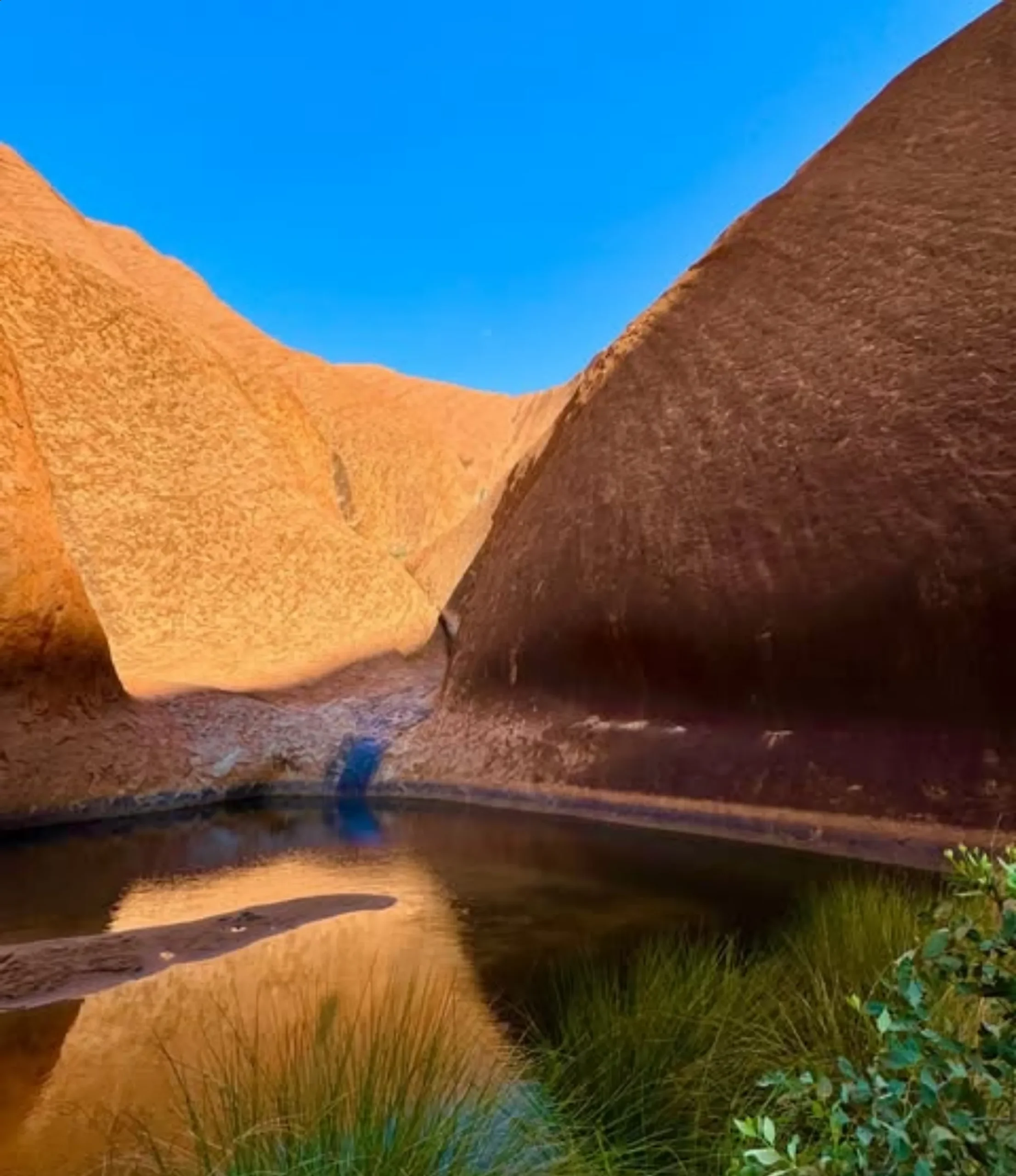
If time’s tight and you’re chasing convenience, flying into Ayers Rock Airport (Connellan Airport) is your best bet. It’s just a 10-minute drive from Ayers Rock Resort and a stone’s throw from Uluṟu-Kata Tjuṯa National Park, a recognised UNESCO World Heritage site.
Direct flights come in from major Australian capital cities like Sydney, Melbourne, Brisbane, and Alice Springs, but availability can be patchy, especially outside the peak season (May to September). Approximate flight times vary, but from Alice Springs it’s about 45 minutes, and 3 hours from Sydney.
From the airport, you can hop on the free shuttle to Ayers Rock Resort or pre-book airport transfers to one of the nearby hotels like Sails in the Desert, Desert Gardens Hotel, or Emu Walk Apartments. Booking a guided Uluru tour also helps you make the most of cultural insights from local guides.
Pro tip: Qantas, Jetstar, and Virgin Australia all service the region, but seats can go fast during school holidays or major events like the Field of Light art installation, one of Australia’s largest light artworks in time.
Driving to Uluru: The Road Trip Worth Taking
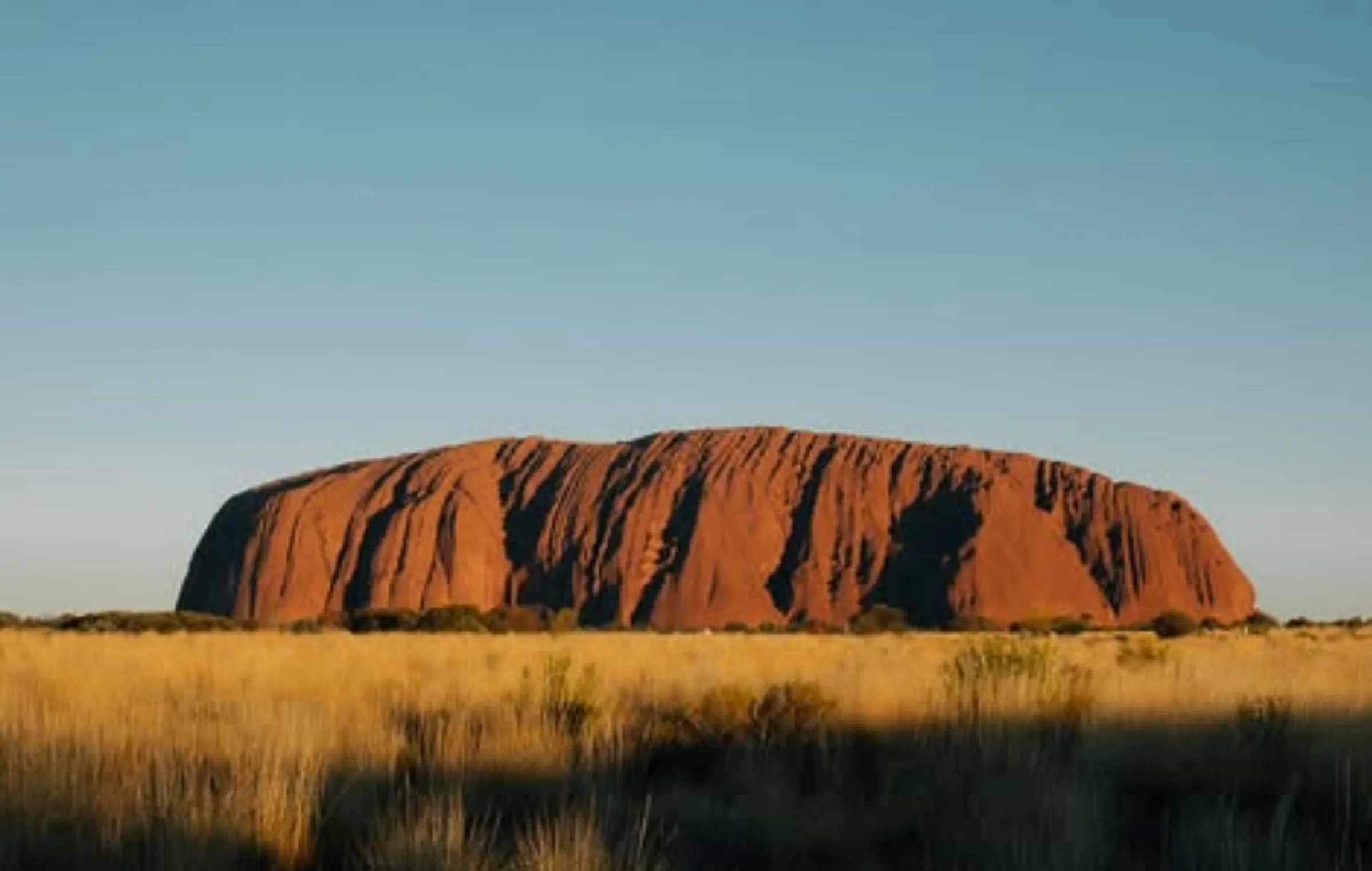
Want the full Outback immersion? Drive it. Uluru is around 1,430km from Darwin, 1,600km from Adelaide, and 450km from Alice Springs. And yes, that’s a lot of kilometres — but it’s also some of the most striking, barren landscape and spectacular scenery in the country.
From Alice Springs:
The Lasseter Highway turn-off from the Stuart Highway gets you there in about a 5-hour drive. The roads are sealed, making it accessible for most vehicles, and fuel stations like Erldunda Roadhouse offer rest stops along the way. Average fuel price varies, so budget accordingly.
From the south:
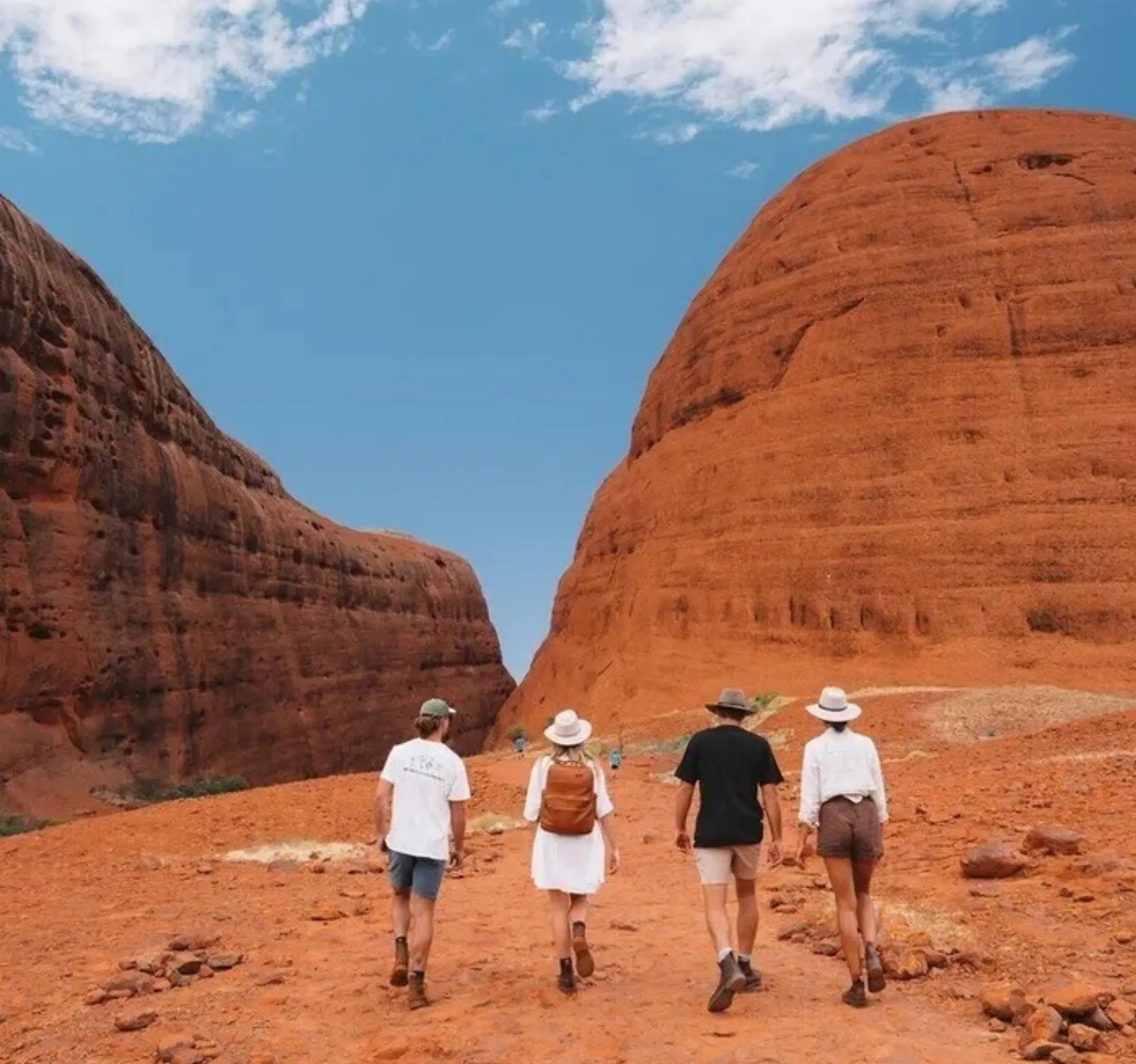
Travelling up from Adelaide? You’ll tackle the length of the Stuart Highway, past Coober Pedy (don’t miss the underground homes) and Marla before swinging west toward Yulara, the accommodation hub that includes Ayers Rock Campground and the Rock Resort.
From the north:
Coming down from Darwin, expect long hauls and stunning landscapes. Fuel up where you can and watch for road trains on the typical Australian outback roads. An overnight in Tennant Creek or Alice Springs breaks it up nicely.
Bonus: Driving means you can also explore Kings Canyon, MacDonnell Ranges, Kata Tjuṯa National Park, and ancient rock formations at your own pace. Tour companies like Wayoutback Tours or Autopia Tours offer flexible itineraries if you’re not keen to DIY the whole lot. Some even include Kata Tjuta and Uluru tours bundled into one seamless itinerary.
Train and Coach Options
If you prefer to let someone else do the driving, you’ve got options.
The Ghan:
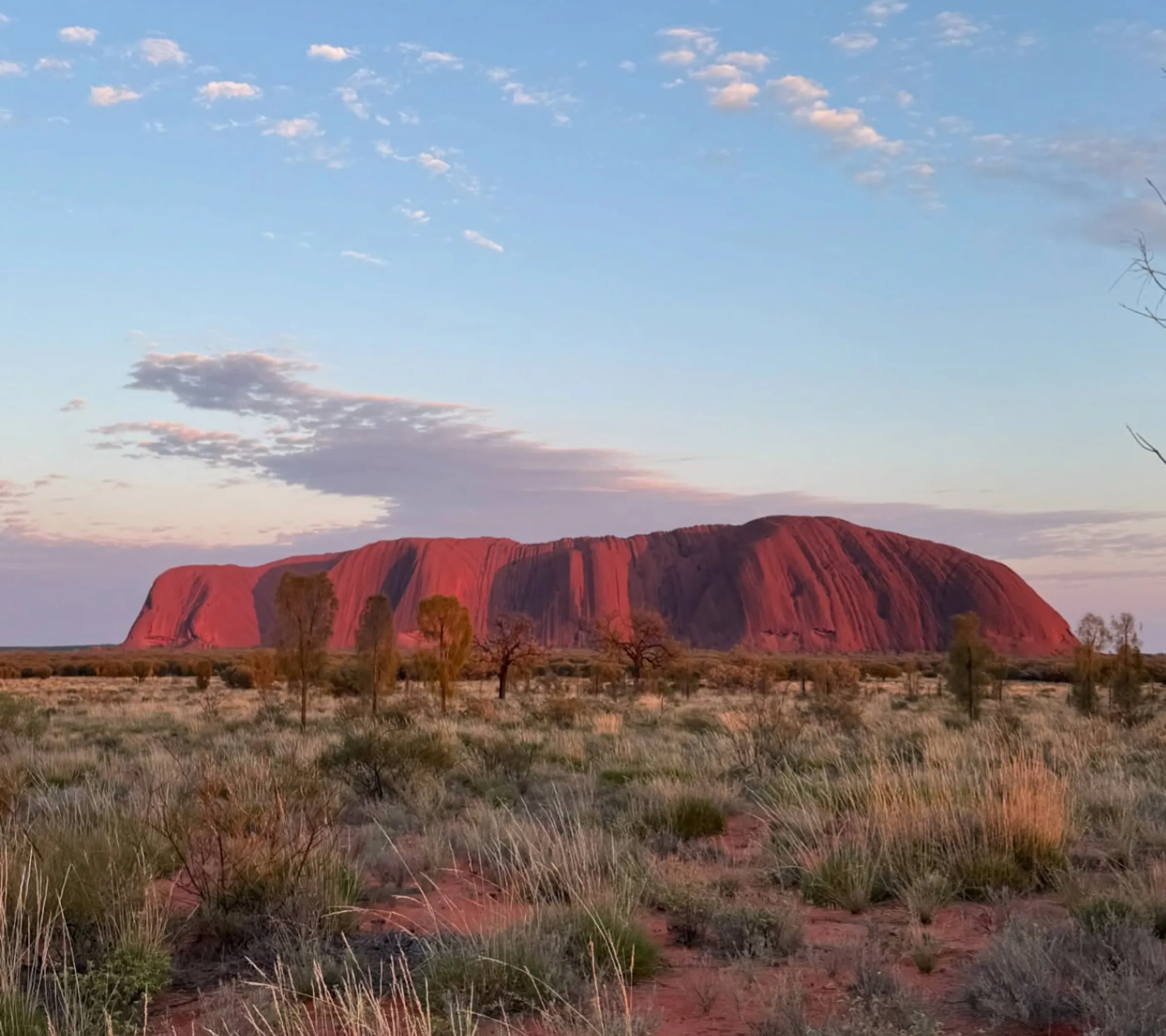
Running from Adelaide to Darwin, The Ghan is a once-in-a-lifetime train ride that stops in Alice Springs. From there, it’s a half-day coach transfer or private transfer to Uluru. You’ll witness the transition from green stretches to desert sand, a true Central Australia experience.
Coach tours:
Companies like Wildlife Tours and Bus companies running out of major cities offer multi-day tours with stops in Uluru, Kings Canyon, and Alice Springs. Expect day tours, storytelling from park rangers, and access to destinations off the beaten path. These are slower-going, but the camaraderie, campfire dinners, and cultural experiences with Traditional Owners make it a memorable journey. Many operators also run day tours that include a visit to both Kata Tjuta and Uluru.
Cycling and Hiking: For the Truly Dedicated
Yes, people have cycled to Uluru. No, it’s not for the faint-hearted. You’ll need serious prep, plenty of water, an understanding of public transport limitations in the bush, and awareness of remote travel safety. Same goes for anyone attempting to walk in — possible from the Larapinta Trail, which links into the region, but not recommended unless you’re an able-bodied person with bushwalking experience and support.
Once you’re there, the base track around the sandstone monolith is walkable and highly recommended. It offers an accessible experience highlighting Aboriginal stories, ancestral storylines, and incredible views of this Aussie icon. Consider pairing your walk with a guided Uluru tour to deepen your understanding of its cultural significance.
Final Takeaways: What’s the Best Way?
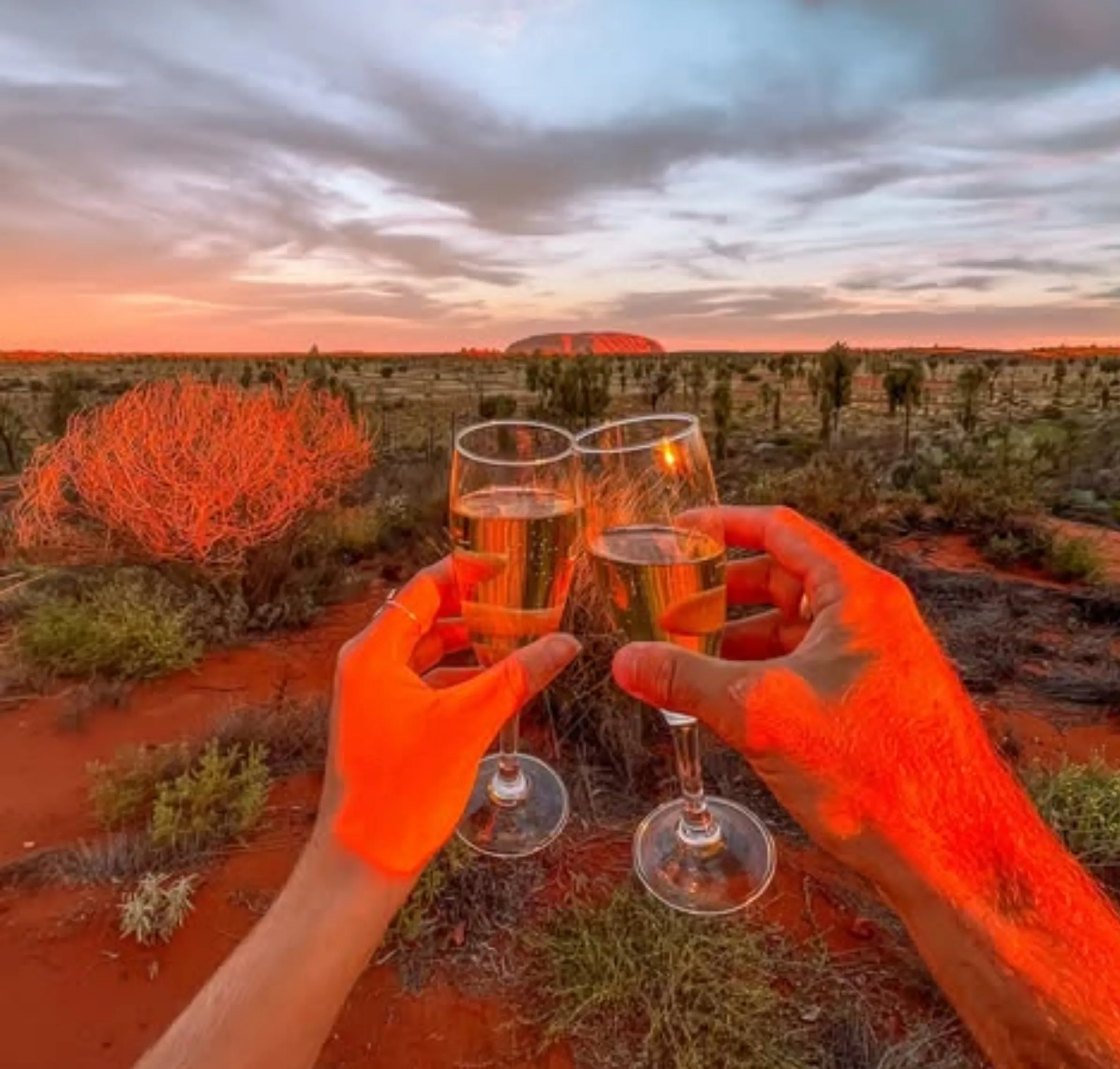
Whichever way you roll in, Uluru — or Ayers Rock as it’s still known to some — doesn’t disappoint. This is an Australian icon, a recognisable landmark of spiritual and cultural significance.
Just don’t rush it. This isn’t a tick-and-flick stop. It’s sacred ground, the heart of Aboriginal cultures. Take your time. Visit the Cultural Centre or award-winning Cultural Centre exhibits. Talk to the Aṉangu people. Watch the colours shift under the desert sky. Let the journey — whether by road, rail, or air — be part of the experience. And no matter how you arrive, a proper tour to Uluru is worth including in your Australian trip.
FAQ
What’s the fastest way to get to Uluru?
Flying directly into Ayers Rock Airport (Connellan Airport) is the quickest option, especially from cities like Sydney or Alice Springs.
Can you drive to Uluru from Alice Springs?
Yes, it’s about a 5-hour drive via the Stuart and Lasseter Highways. Roads are sealed and suitable for most vehicles.
Are there tours that include both Uluru and Kata Tjuta?
Absolutely. Many Uluru tours include stops at Kata Tjuta, either as day tours or part of multi-day itineraries.
What’s the most scenic way to reach Uluru?
Riding The Ghan to Alice Springs followed by a coach transfer offers a unique, picturesque journey through Central Australia.
Do I need a park pass to visit Uluru?
Yes, a park pass is required to enter Uluṟu-Kata Tjuṯa National Park. Passes can be purchased online or at the entry gate.